
Wire EDM (Electrical Discharge Machining) is one of the most advanced precision machining technologies used in modern manufacturing. Known for its ability to process extremely hard materials and create highly complex geometries, Wire EDM has become an essential solution across industries such as mold manufacturing, aerospace, medical devices, electronics, and automotive engineering.
Unlike traditional machining methods that rely on mechanical cutting forces, Wire EDM uses controlled electrical discharges to erode material with exceptional accuracy and minimal stress. This unique capability makes it especially suitable for producing high-precision parts with intricate shapes that would be difficult or impossible to achieve through conventional methods.
In this comprehensive guide, we will explore how Wire EDM works, its key advantages, materials, applications, and why it is a preferred choice for precision manufacturing.
Wire EDM, also known as Wire Cut Electrical Discharge Machining (WEDM), is a non-contact machining process that removes material using electrical sparks.
In this process, a thin metal wire—commonly made of brass, copper, or molybdenum—is used as an electrode. The wire moves continuously through the workpiece while a high-frequency electrical current creates a series of sparks between the wire and the material. These sparks generate intense localized heat, typically ranging from 8,000 to 12,000°C, which melts or vaporizes the material in a highly controlled manner.
Because there is no direct physical contact between the tool and the workpiece, Wire EDM eliminates mechanical stress, deformation, and tool wear, making it ideal for delicate and high-precision components.
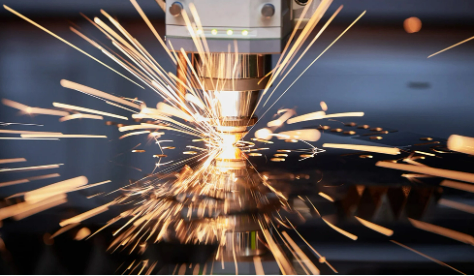
The process begins with the setup of the electrode wire and the workpiece. The wire acts as the cutting tool and is continuously fed through the machine. The workpiece is securely fixed and connected to a power supply.
The wire and workpiece are positioned extremely close to each other, typically separated by a microscopic gap.
When voltage is applied, electrical discharges occur between the wire and the workpiece across the small gap. Each spark produces a localized burst of heat that melts or vaporizes a tiny portion of the material.
This process repeats thousands of times per second, gradually cutting through the material with high precision.
During machining, a dielectric fluid (usually deionized water) is used to cool the work area and flush away eroded particles. This ensures a stable cutting process and prevents debris from interfering with accuracy.
Modern Wire EDM machines are controlled by advanced CNC systems, allowing precise movement of the wire along programmed paths. This enables the creation of complex shapes, fine details, narrow slots, and intricate contours with micron-level accuracy.
Slow Wire EDM uses deionized water as the working fluid and is designed for ultra-high precision machining. It is typically used for applications requiring superior surface finish and tight tolerances, such as mold manufacturing and aerospace components.
Rapid Wire EDM uses a different working fluid and operates at higher speeds, making it suitable for mass production and cost-sensitive projects. While slightly less precise than slow wire EDM, it offers excellent efficiency for larger production volumes.
Wire EDM can achieve extremely tight tolerances, often within microns. This level of precision is essential for industries that demand exact specifications, such as aerospace and medical manufacturing.
Since there is no physical contact between the wire and the workpiece, there is no mechanical stress, deformation, or tool wear. This makes Wire EDM ideal for delicate or thin components.
Wire EDM can cut virtually any conductive material, regardless of hardness. This includes hardened steel, titanium alloys, and carbide, which are difficult to machine using traditional methods.
The thin wire and CNC control allow for intricate shapes, sharp corners, narrow slots, and complex curves. This makes it especially valuable for mold making and precision engineering.
Wire EDM is highly efficient, producing minimal waste and requiring less post-processing compared to traditional machining methods.
The process produces smooth surfaces with minimal burrs, reducing the need for secondary finishing operations.
Wire EDM is specifically designed for conductive materials. Common materials include:
Stainless Steel
Aluminum Alloy
Brass
Titanium Alloy
Hardened Steel
Carbide
Graphite
These materials are widely used in industries that require high strength, corrosion resistance, and durability.
| Material Type | Examples | Key Characteristics | Typical Applications |
|---|---|---|---|
| Stainless Steel | 304, 316 | Corrosion resistance, strength | Medical, aerospace |
| Aluminum Alloy | 6061, 7075 | Lightweight, good conductivity | Electronics, automotive |
| Brass | CuZn alloys | Excellent machinability | Precision components |
| Titanium Alloy | Ti-6Al-4V | High strength, heat resistance | Aerospace, medical |
| Carbide | Tungsten carbide | Extremely hard, wear-resistant | Molds, cutting tools |
| Graphite | Industrial graphite | Good conductivity, brittle | EDM electrodes, molds |
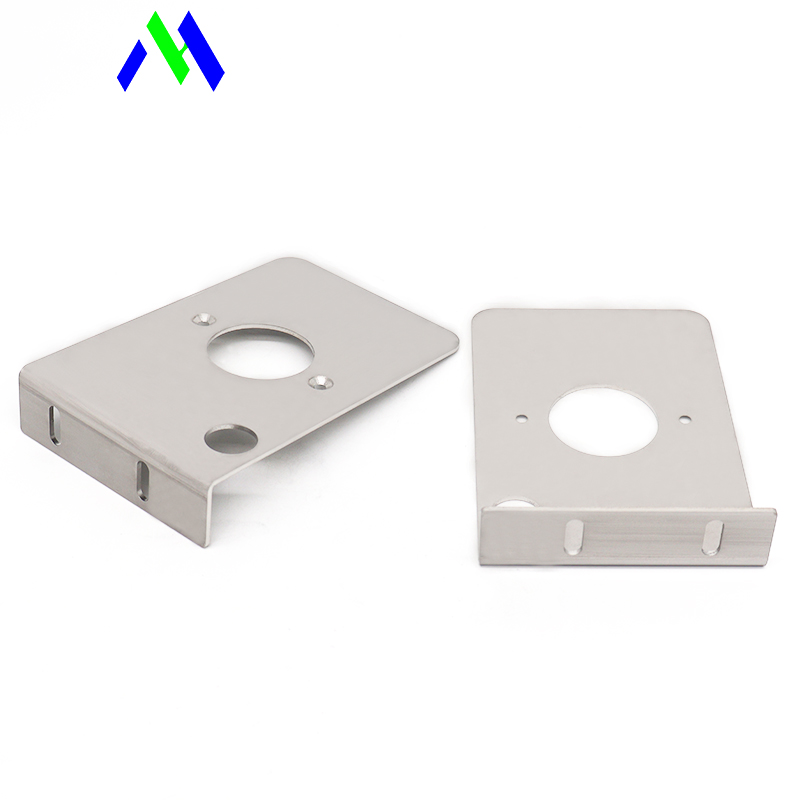
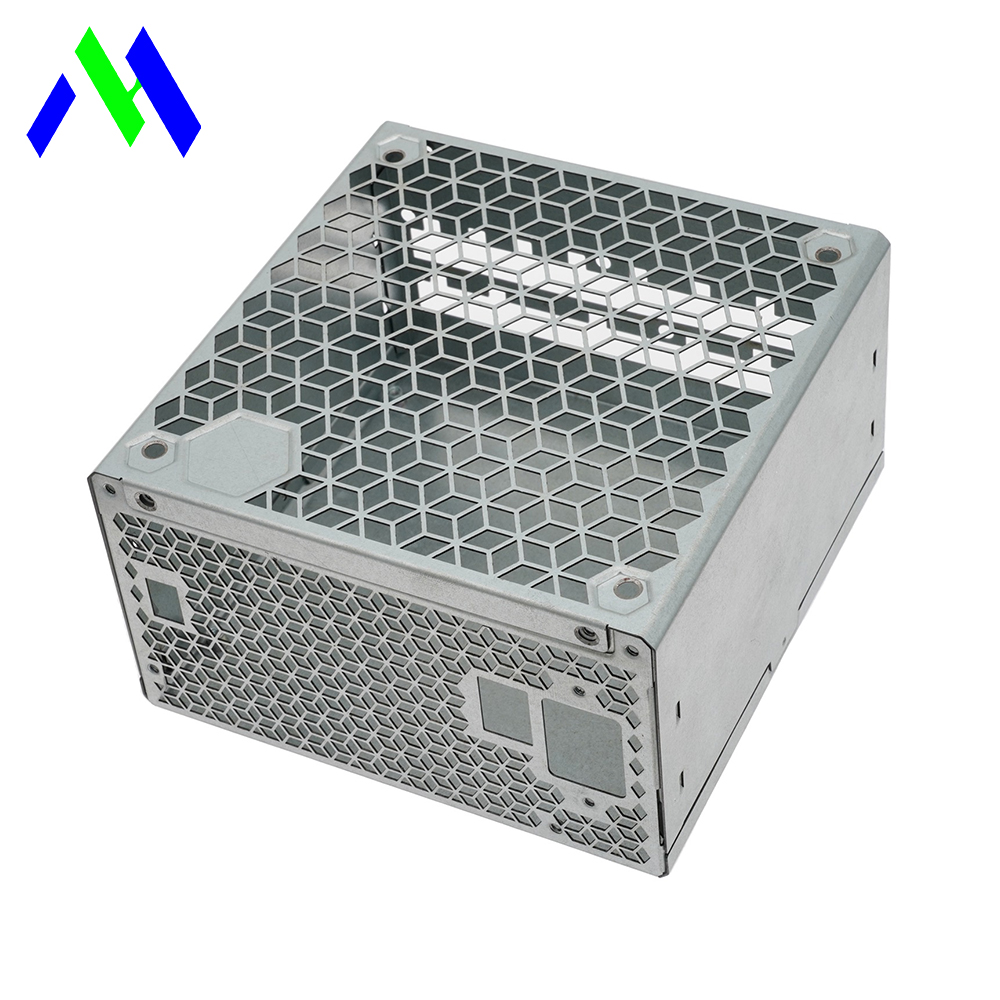
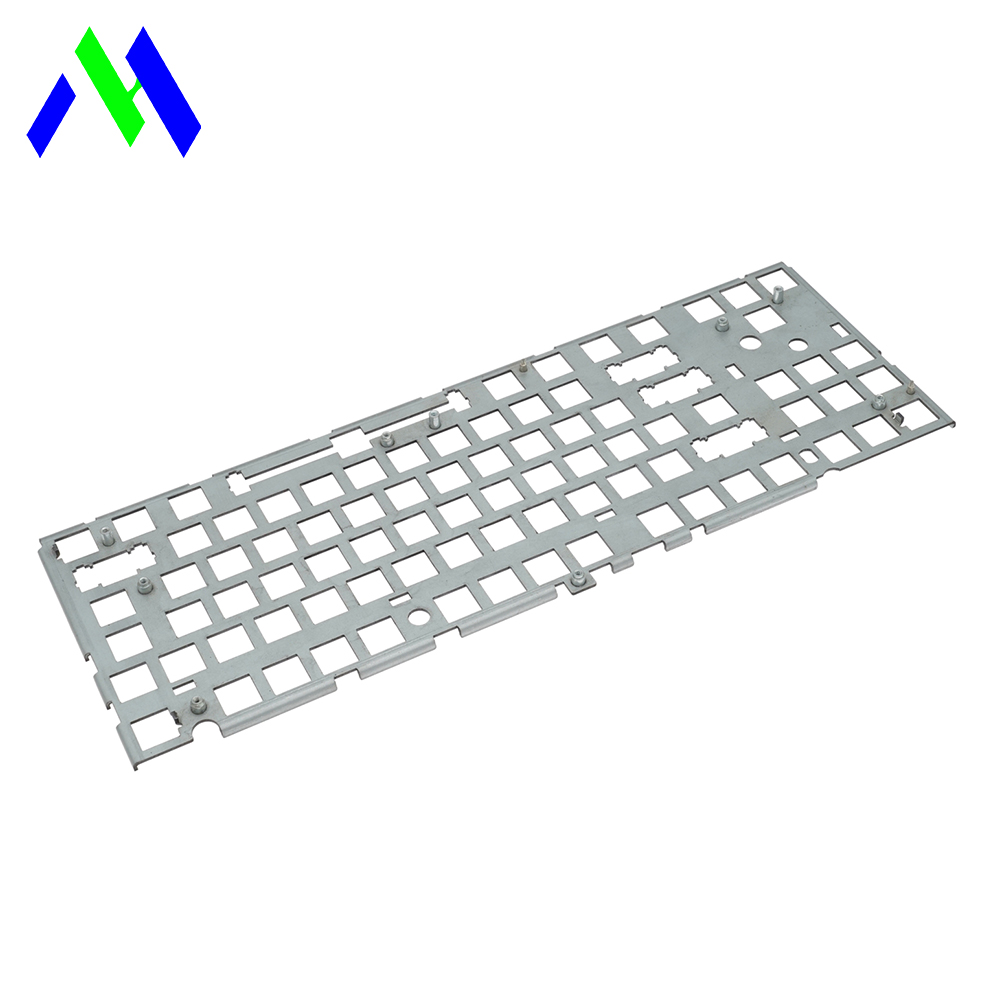
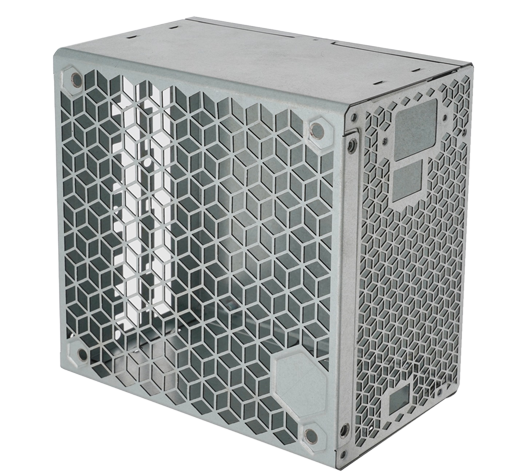
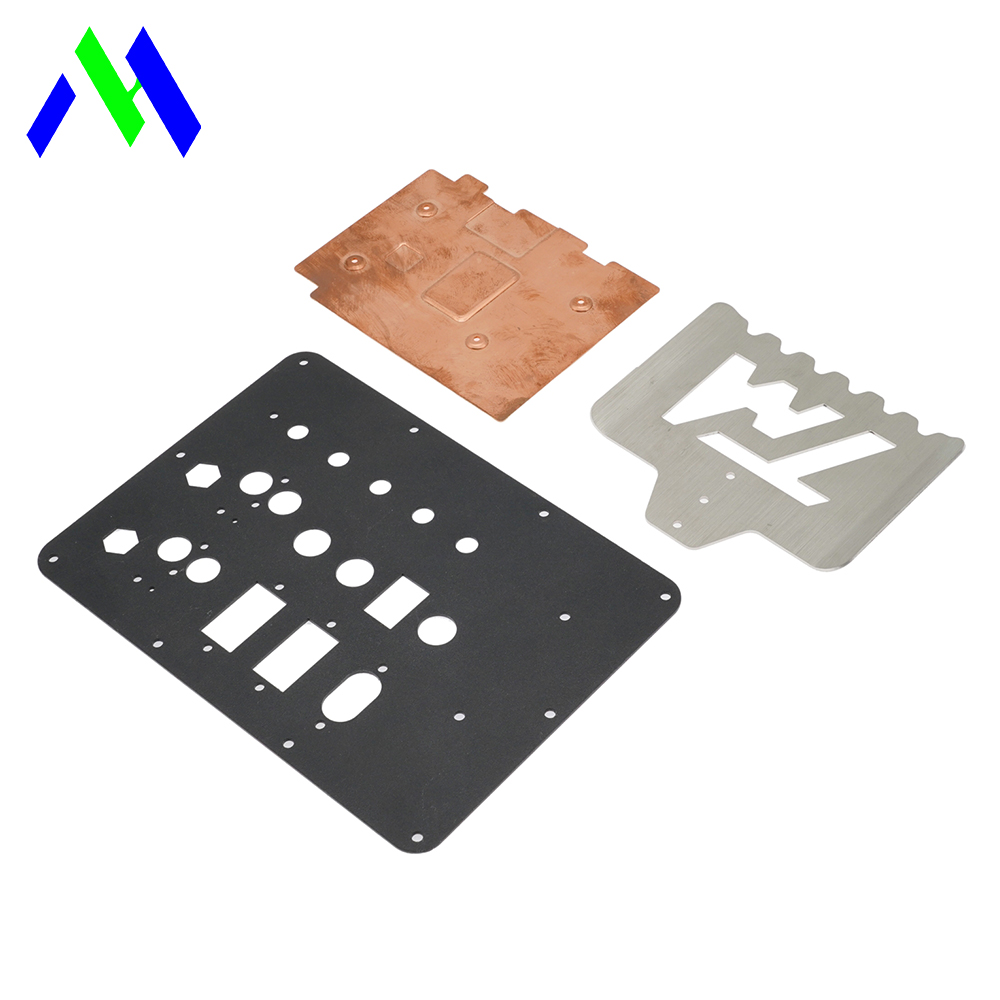
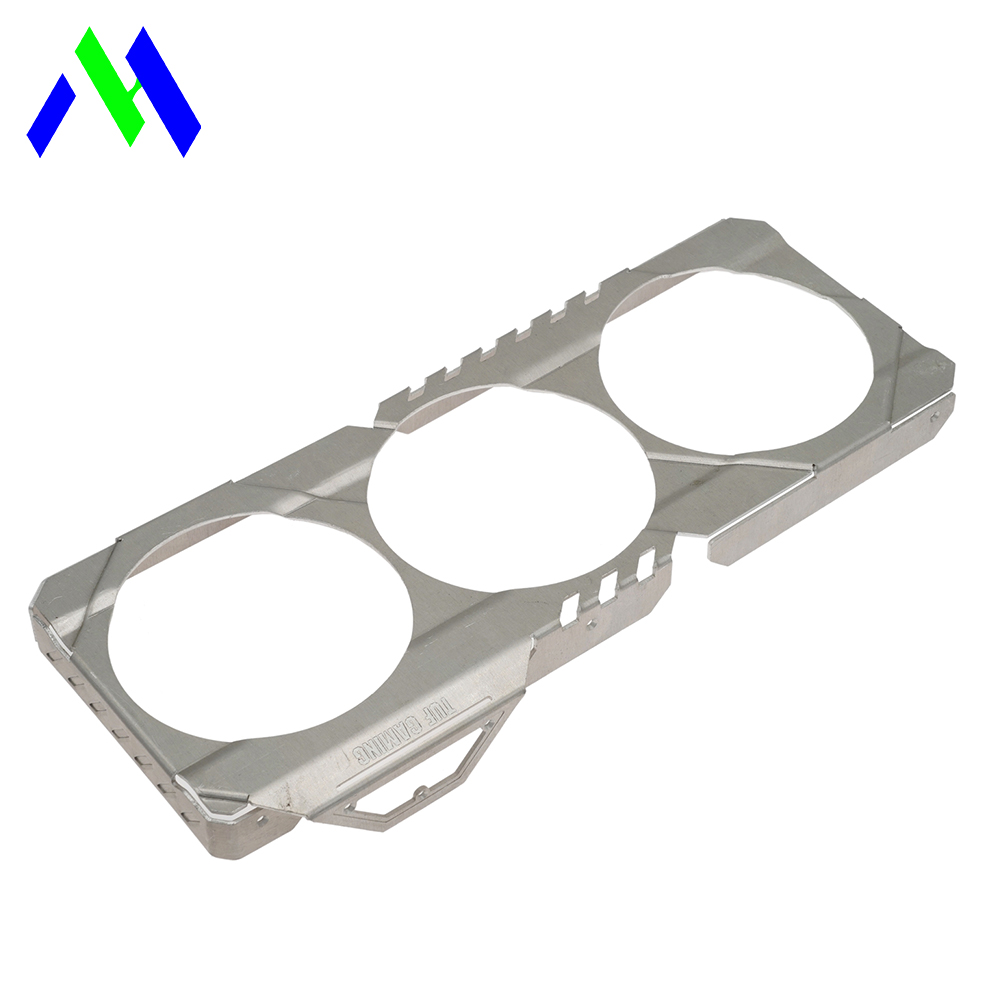
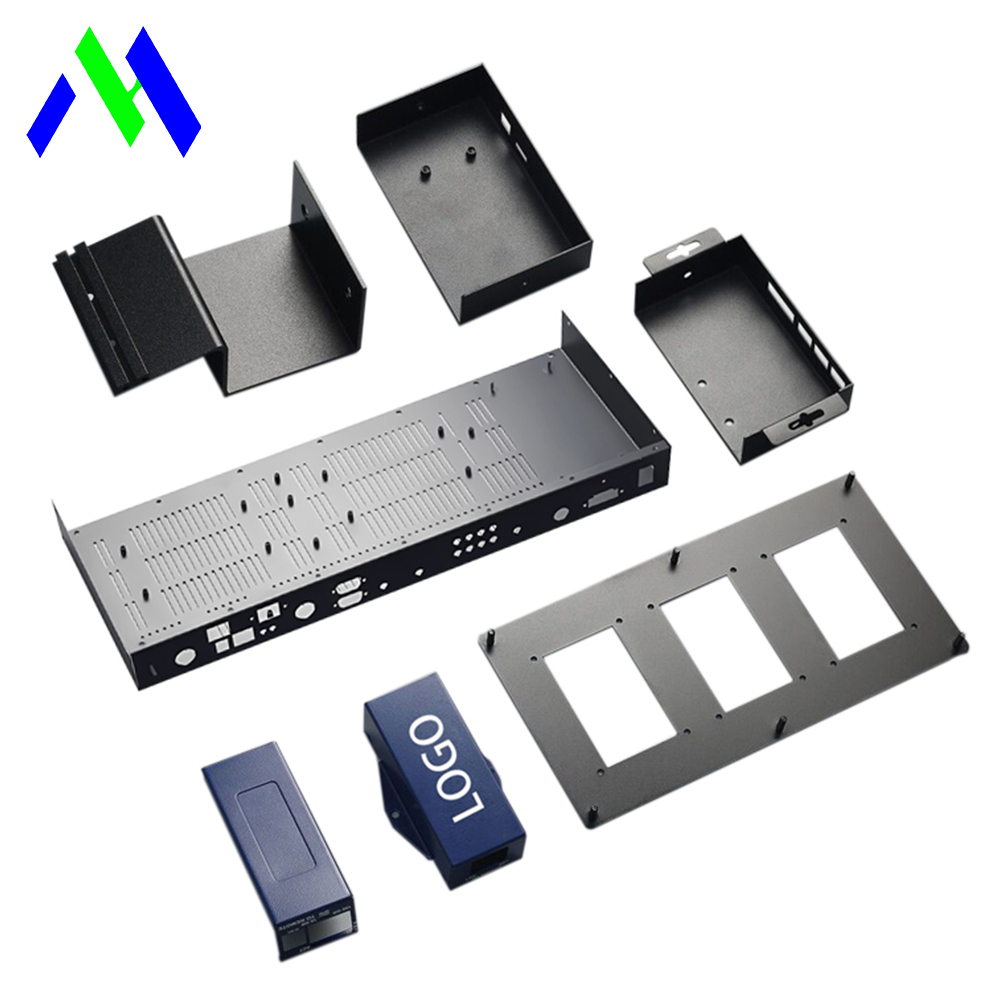
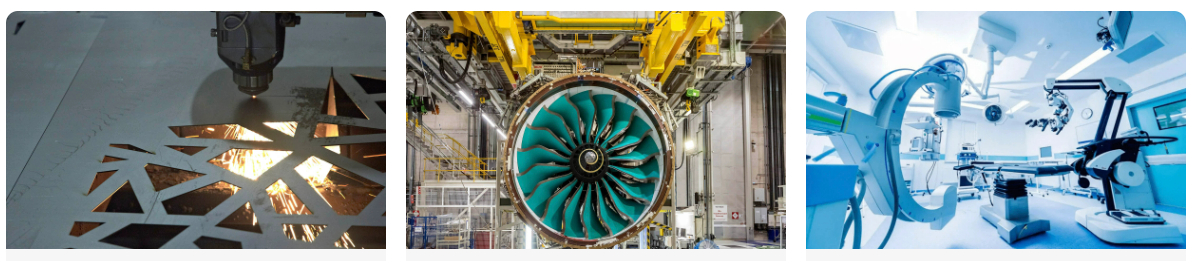
Wire EDM is a key technology in mold production, especially for injection molds and die-casting molds. It enables precise cutting of complex cavities and fine details.
In aerospace, Wire EDM is used to manufacture high-precision components such as turbine blades, engine parts, and nozzles, where accuracy and material performance are critical.
Wire EDM is ideal for producing medical components like surgical instruments, implants, and micro parts that require extremely tight tolerances and smooth surfaces.
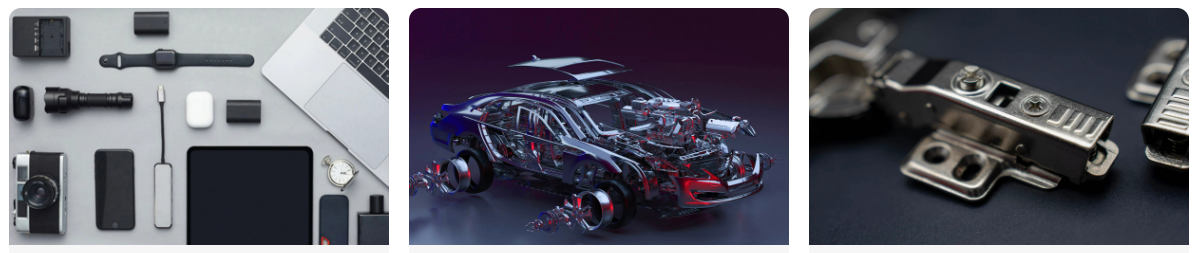
It is widely used for micro-machining applications, including circuit components, semiconductor parts, and precision connectors.
Wire EDM supports the production of high-precision automotive components such as engine parts, transmission components, and braking system elements.
The technology is also used for cutting and shaping precious metals into intricate jewelry designs with high precision.
| Industry | Typical Parts | Why Use Wire EDM |
|---|---|---|
| Mold Manufacturing | Injection molds, die-casting molds | High precision & complex shapes |
| Aerospace | Turbine blades, engine components | Hard materials & tight tolerance |
| Medical | Surgical tools, implants | Ultra-precision & smooth surface |
| Electronics | Connectors, micro components | Micro-machining capability |
| Automotive | Engine parts, transmission parts | High consistency & durability |
| Jewelry | Rings, decorative parts | Fine detail and intricate designs |
After Wire EDM machining, additional surface treatments may be applied to enhance performance and appearance. Common treatments include:
Sanding
Anodizing
Electroplating
Polishing
These processes improve corrosion resistance, surface quality, and overall durability of the final product.
Compared to conventional machining methods such as milling and turning, Wire EDM offers several distinct advantages:
No cutting forces
Higher precision for complex shapes
Better performance on hard materials
Reduced tool wear
However, it is generally slower than traditional machining and is primarily used for precision-critical applications rather than high-speed bulk material removal.
| Feature | Wire EDM Machining | Traditional Machining |
|---|---|---|
| Machining Method | Electrical discharge (non-contact) | Mechanical cutting (contact) |
| Tool Wear | No tool wear | Tool wear exists |
| Material Hardness | Suitable for very hard materials | Limited by tool hardness |
| Precision | Extremely high (micron-level) | High but limited |
| Complex Shapes | Excellent for complex geometries | Limited for complex shapes |
| Surface Finish | Very smooth | May require secondary finishing |
| Mechanical Stress | None | Present |
| Production Speed | Slower | Faster for bulk removal |
As industries continue to demand higher precision, more complex designs, and better material performance, Wire EDM has become an indispensable technology.
Its ability to deliver consistent, high-quality results with minimal stress and maximum flexibility makes it a preferred choice for engineers and manufacturers worldwide.
At Dong Guan Ming Hao Precision Molding Technology Co., Ltd., we specialize in delivering high-precision Wire EDM machining solutions tailored to your exact requirements.
With advanced CNC equipment, experienced engineers, and a strict ISO 9001 quality management system, we provide:
Custom Wire EDM parts with micron-level accuracy
MOQ from 1 piece
24-hour rapid sample production
One-stop service from design to delivery
Multiple surface treatment options
Dedicated technical and after-sales support
Whether you need prototypes or mass production, we are committed to helping you achieve superior product performance and manufacturing efficiency.
Wire EDM is used for precision machining of conductive materials, especially for complex shapes, molds, and high-accuracy components.
Any electrically conductive material can be processed, including steel, aluminum, titanium, brass, carbide, and graphite.
Wire EDM can achieve extremely high precision, often within micron-level tolerances.
Wire EDM uses electrical discharges and is non-contact, while CNC machining uses physical cutting tools. Wire EDM is better for hard materials and complex shapes.
Yes, especially with rapid wire EDM systems, it can be used for both small batch and large-scale production depending on requirements.