
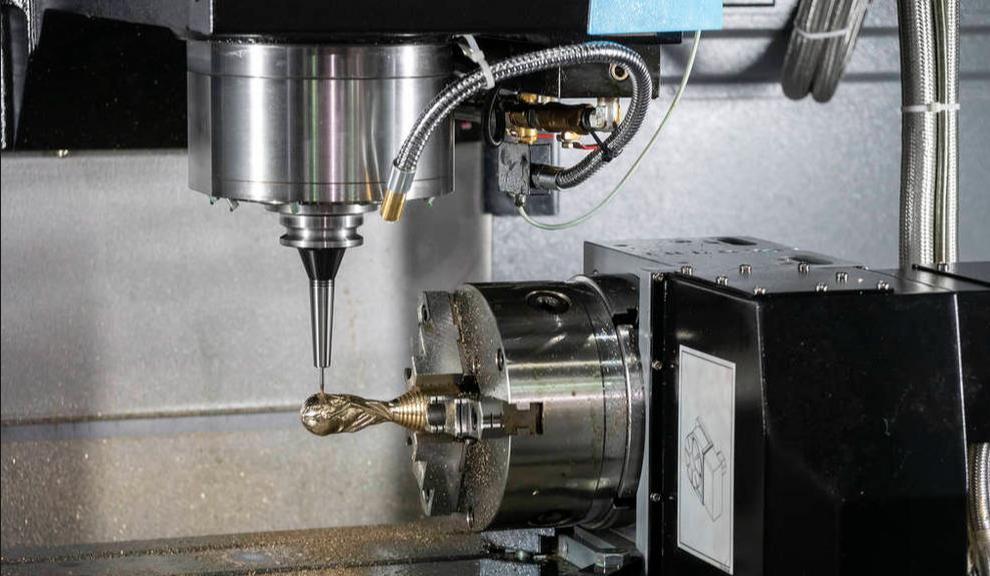
You use 5 Axis CNC Machining to create Aerospace Parts Manufacturing. The aerospace field demands very high accuracy and trust. For example, turbine blades must be manufactured with extreme precision, requiring a tolerance of ±0.02 mm. This ensures that engines operate efficiently and safely.
Aerospace Part | Material | Tolerance | Importance |
|---|---|---|---|
Turbine Blades | Inconel 718 | ±0.02 mm | Keeps air moving smoothly at high speeds |
Aerospace requires parts that are precise, perform reliably, and feature complex shapes. Ming Hao provides the advanced manufacturing process you need.
5-axis CNC machining gives very exact results. It can make parts with tight tolerances of ±0.02 mm. This is important for safety and performance in aerospace.
This technology makes complex shapes in one setup. It does not need much manual repositioning. This helps lower mistakes.
Using 5-axis machining makes surfaces smoother. Smooth surfaces help parts work better and last longer.
The process works fast and saves time. It also lowers costs by needing fewer setups and tool changes.
5-axis CNC machining works with many materials. It can use titanium and aluminum. This makes it useful for many aerospace jobs.
Automation in 5-axis machining makes parts more accurate. It also cuts down on human mistakes. This means every part has good quality.
Prototyping with 5-axis CNC helps test designs quickly. It lets engineers change designs fast. This speeds up making new aerospace parts.
Following strict aerospace rules like AS9100 keeps parts safe. It also makes sure parts made with 5-axis CNC machining are reliable.
You use 5 axis cnc machining to make parts with high precision. It helps you create parts with complex shapes. The machine moves a cutting tool in three straight directions. It also turns the tool in two ways. You can cut from many angles in one setup. This method gives you better precision and repeatability. You do not need to move the part by hand. This helps you avoid mistakes and saves time.
Tip: 5-axis cnc machining lets you make parts with tight tolerances and small details. This is important for aerospace and other advanced industries.
Here are some main ideas and benefits:
Better precision and repeatability
Makes parts with tight tolerances
No need for manual repositioning
More accuracy with multi-surface machining
Smooth surface finishes
Principle/Advantage | Description |
|---|---|
Axes Configuration | Uses three straight axes and two turning axes for complex machining. |
Multi-Angle Cutting | Cuts from different angles in one process. This makes work faster and more accurate. |
Reduced Setups | Needs fewer setups, so there are less mistakes. |
Time and Cost Efficiency | Multi-surface machining in one setup saves time and money. |
Precision and Accuracy | Always makes parts with tight tolerances and small details. |
You might wonder how 5-axis cnc machining is different from other types. The main difference is how many ways the machine can move the tool. With 3-axis cnc, the tool moves up and down, left and right, and forward and backward. 4-axis cnc adds one turn, which helps with some complex shapes. 5-axis cnc machining lets you move the tool in all those ways and turn it in two directions at once. This lets you make very complex 3D shapes and curves.
CNC Type | Operation | Capabilities |
|---|---|---|
3-axis | Moves in X, Y, Z directions only | Can only make simple shapes |
4-axis | Adds turning around one axis | Can make more complex shapes than 3-axis |
5-axis | Moves in many directions at once | Can make very complex 3D shapes and curves |
You use 5-axis machining for aerospace parts, medical devices, and other products that need high accuracy and complex designs.
High-performance 5-axis cnc machines give you many important benefits. You can save time because you do not need to move the part to other machines. You get smoother surfaces, which is important for parts that need to move easily, like those in aircraft. You can use many materials, including light alloys and composites. Better tool paths help you work faster and make your tools last longer.
Capability | Description |
|---|---|
Reduced Setup Time | Needs fewer setups, so work is faster and mistakes are less likely. |
Enhanced Surface Finish | Makes smooth surfaces, which helps parts move better in aerospace. |
Versatility in Materials | Works with many materials, like light alloys and composites, which are needed in aerospace. |
Optimized Tool Paths | Helps you work faster and keeps tools working longer, which saves money in aerospace manufacturing. |
You can trust 5-axis cnc machining to give you steady, high-quality results for even the hardest projects.
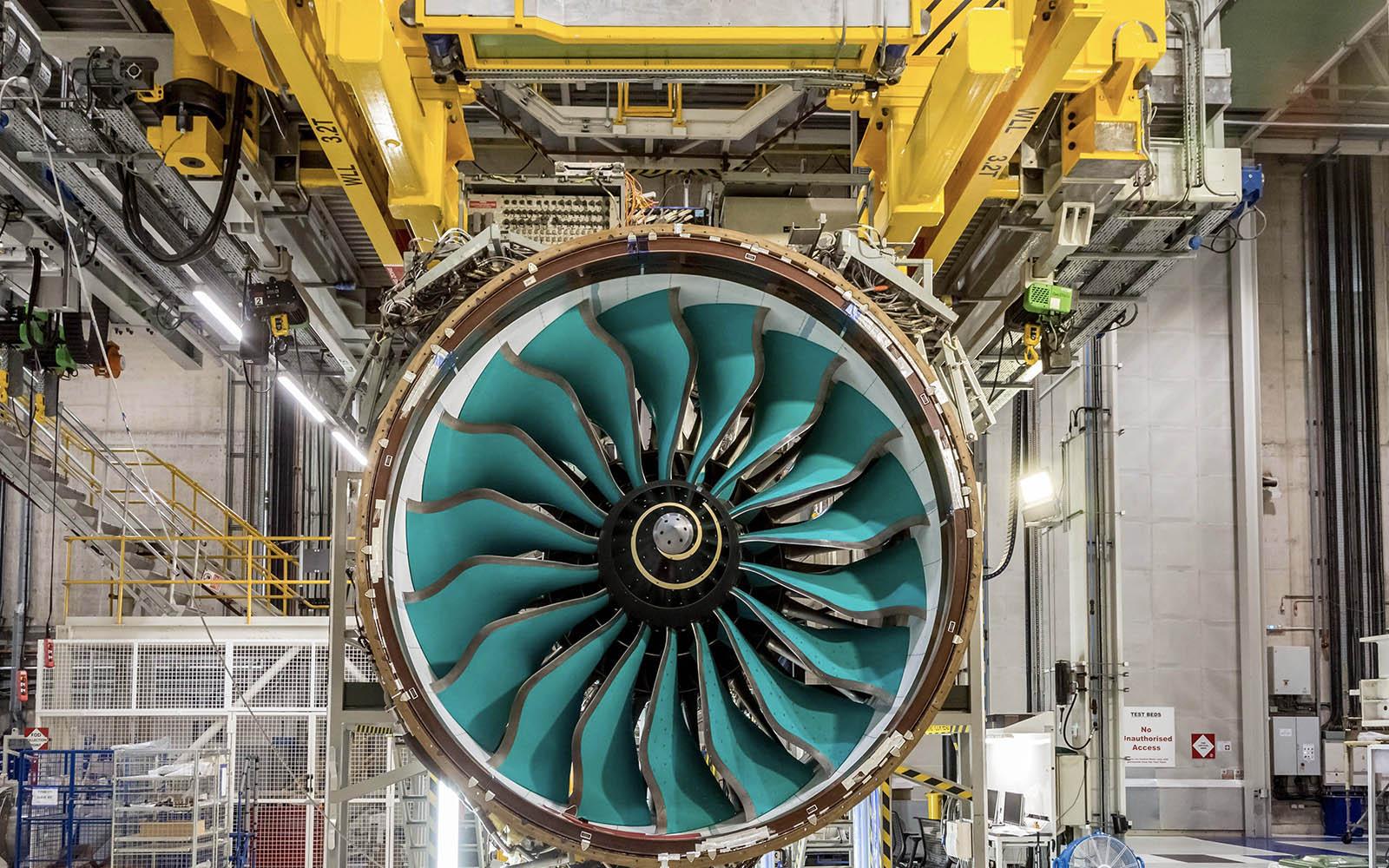
In aerospace manufacturing, precision is a must. You measure precision in microns. Even a tiny mistake can cause big problems. These mistakes can affect how safe and strong a part is. Every part must fit just right and work as planned. Strict tolerances help keep planes safe and working well. They also help parts stay strong and reliable. The aerospace industry uses tough rules like the AS9100 system. There are also special rules from equipment makers and the military. These rules are stricter than in other industries. When you make aerospace parts, you must focus on accuracy and quality.
Note: You must meet tight tolerances for every project. Mistakes are not allowed because lives and missions depend on your work.
Aerospace parts often have very complex shapes. Many parts have curves, sharp corners, and detailed surfaces. These shapes help make parts lighter and stronger. But they are hard to machine. You need special tools and careful planning to make these shapes. Sometimes, you must hold odd-shaped parts in place. This makes the job harder. Some parts have tricky inside features like undercuts and small corners. These need custom tools and advanced skills.
Challenge Type | Description |
|---|---|
Complex Shapes and Patterns | Curves, tight corners, and detailed surfaces are hard to machine but needed for strength and less weight. |
Time Consumption | Parts with complex shapes take longer to make and can have more errors. |
Odd shapes and sizes make it hard to hold parts steady.
Tricky inside features need special tools and setups.
You must watch every detail when making complex parts. This helps you get the right surface finish and keep the needed accuracy.
Aerospace manufacturing uses high-performance materials. These materials must be strong and light. They also need to handle tough conditions. Some common materials are:
Aluminum alloys: Light and strong, good for many parts.
Titanium alloys: Very strong and do not rust, great for important structures.
Composite materials: Strong and stiff, but much lighter than metals.
Steel alloys: Tough and can handle a lot of stress.
Nickel-based superalloys: Stay strong even when very hot.
You also use special plastics and polymers for some jobs. These materials have special benefits like heat resistance and chemical stability.
Material | Key Properties | Applications |
|---|---|---|
PEEK | High strength-to-weight ratio, heat and chemical resistance, wear resistance | Fuel system parts, engine parts, flight controls |
PEI | Great heat resistance, good electrical insulation, high strength | Interior parts, electrical cases, panels |
PPS | Handles high heat, resists chemicals, does not burn easily | Ducts, hydraulic parts, insulation |
PI | Handles extreme heat, very strong, low outgassing | Thermal insulation, bushings, bearings, electrical insulation |
PVDF | Resists chemicals, strong, does not burn easily | Fluid systems, seals, gaskets, cable insulation |
PAI | Strong at high heat, wears slowly | Bushings, bearings, fasteners, strong parts |
PBI | Handles the most heat, wears very well | Engine parts, insulation, high-heat seals |
You pick these materials to make reliable, high-performance aerospace products. Each material helps with special needs, from light frames to parts that handle extreme heat.
In aerospace manufacturing, safety is the most important thing. Every part must follow strict rules. These rules help keep planes and rockets safe. You cannot skip steps. Even small mistakes can cause big problems.
Note: Safety is not just a goal in aerospace. It is something you must do. You have to follow every rule to keep people safe.
There are many standards you must follow. These standards tell you how to design and check each part. Some important standards are:
AS9100: This is the main quality standard for aerospace. It makes sure every part is safe and high quality.
ISO 9001: This standard helps you manage quality in your work. It tells you how to plan and improve your work.
NADCAP: This program checks special jobs like heat treating and coating. You need NADCAP approval for many jobs.
FAA and EASA Regulations: These rules come from the government. They set the laws for flight safety in the United States and Europe.
You must check every part you make. You use special tools to measure size and shape. You also keep records of every test. This helps you prove your parts meet all the rules.
Standard | What It Covers | Why It Matters |
|---|---|---|
AS9100 | Quality management for aerospace | Ensures safety and reliability |
ISO 9001 | General quality management | Improves process and product quality |
NADCAP | Special process control | Verifies heat treating and coatings |
FAA/EASA | Flight safety regulations | Keeps aircraft safe for passengers |
You also need to know where every part comes from. This is called "traceability." If there is a problem, you can find out where the part was made. Traceability helps you fix problems quickly and keeps people safe.
You use 5-axis CNC machining to meet these strict standards. The machines make parts very accurately. You can make the same part many times with the same results. This lowers the chance of mistakes. You also get smoother surfaces, so parts last longer and work better.
Tip: Always follow the newest standards and keep your records updated. This shows customers and inspectors that you care about safety.
In aerospace, you do more than make parts. You build trust. By following safety rules and standards, you help keep people safe in the air and space.
Every aerospace part must meet strict safety rules. 5 axis cnc machining helps you make parts with very small tolerances. These tolerances are measured in microns. This is important for landing gear and engine parts. You use advanced controls to check each part. Feedback systems help you match the design exactly. CNC machining lets you make the same part again and again. You get the same results every time.
You follow tough safety and performance rules.
You get the same results in every batch.
You count on this for important aerospace jobs.
5-axis cnc machining helps you avoid alignment mistakes. You need fewer setups, so you keep tight tolerances. This also makes your parts more accurate. You get smoother surfaces, so parts last longer. They also work better in flight.
Tip: When you use 5-axis cnc machining, your parts are safe and reliable in the air.
Aerospace parts often have tricky shapes and curves. Some parts have undercuts and hard angles. You need a process that can handle these shapes in one go. 5-axis machining lets you make detailed parts in one setup. This means you use fewer parts and save time. You can reach many sides without moving the part.
Feature | Description |
|---|---|
Simultaneous Machining | You move the spindle while cutting, so you shape complex curves easily. |
Multi-Face Machining | You work on many faces and angles at once, no need to move the part. |
Time Efficiency | You save time by skipping extra setups and tool changes. |
Optimized Cutter Geometry | You cut metal faster, even with tough materials like titanium. |
Design Flexibility | You make parts that are hard to create with old methods, so you meet new aerospace needs. |
5-axis cnc machining helps you use fewer parts and save time. You can reach the part from many angles. This means less waste and lower costs. You finish many sides in one clamping. This gives you smoother surfaces and better accuracy.
You meet high precision needs.
You work faster and skip extra steps.
You handle tricky shapes and special materials.
You want to make aerospace parts fast and with few mistakes. 5-axis machining lets you move in many directions at once. You do not need to set up the part many times. You also do not change tools as often. This makes production faster and lowers mistakes.
You finish hard parts in one setup.
You avoid alignment mistakes and work more efficiently.
You save time by needing fewer setups.
5-axis cnc machining gives you smoother surfaces and steady results. Your process stays simple and dependable. This is very important for aerospace work.
Note: Fewer setups mean fewer mistakes and more time saved. You get good parts faster and with better accuracy.
You need every aerospace part to work the same way, every time. 5-axis CNC machining helps you reach this goal. The machine follows a digital design with high accuracy. You get parts that match the design, batch after batch.
When you use 5-axis CNC machining, you control the process from start to finish. You set the machine to cut, drill, and shape each part in one setup. This reduces the chance of mistakes. You do not need to move the part between machines. This keeps the part steady and helps you avoid errors.
Tip: Consistency means you can trust every part to fit and work as planned. This is very important for safety in aerospace.
You also get better surface finishes. The machine moves smoothly along curves and angles. This gives you parts with fewer marks or rough spots. Smooth surfaces help parts last longer and work better in flight.
Here are some ways 5-axis CNC machining gives you high quality and consistency:
You use the same digital file for every part.
You finish parts in one setup, so you avoid alignment errors.
You check each part with precise measuring tools.
You keep records of every job for traceability.
Benefit | How 5-Axis CNC Helps You |
|---|---|
Repeatability | Makes every part the same, every time |
Superior Surface Finish | Gives you smooth, clean surfaces |
Fewer Human Errors | Reduces mistakes by using automation |
Traceability | Lets you track each part from start to end |
You can meet strict aerospace standards with this process. You know each part will pass inspection. You build trust with your customers and keep people safe in the air.
Titanium and aluminum are used in many aerospace parts. These metals help make strong and light parts. Titanium is very strong and can handle high heat. It is used for engine mounts and landing gear. Aluminum is easier to cut and costs less money. You pick aluminum for parts that need to be light but not hot.
Tip: Both titanium and aluminum have a good strength-to-weight ratio. This helps lower weight but keeps parts strong.
Here are some important things about machining:
Titanium is strong and stays stable in heat.
Aluminum is easy to shape and change.
Titanium is hard to cut because it gets hard and holds heat.
Aluminum is easy to work with and costs less.
Titanium is for important parts. Aluminum is for making many parts.
MHAO CNC cuts both titanium and aluminum with high accuracy. The parts meet strict aerospace rules. You can trust the quality because MHAO CNC uses ISO 2768 rules.
Nickel alloys are important in aerospace. They are used for parts that get very hot or stressed. These include turbine blades and exhaust systems. Nickel alloys do not rust and stay strong when hot. This makes them good for jet engines and tough jobs.
Cutting nickel alloys is hard. These metals make a lot of heat when cut. Nickel alloys do not move heat away fast, so heat stays in one spot. This can change the part’s surface and wear out tools.
Nickel alloys make a lot of heat from cutting.
Bad heat flow keeps heat in the cutting spot.
Heat in one place can change the part and hurt the tool.
You need special machines and skilled workers for nickel alloys. MHAO CNC uses special tools and cooling to keep parts right and surfaces smooth.
Composites and plastics are also used in aerospace. These materials help make parts light and strong. Composites mix fibers and resins to make panels and covers. Plastics like ABS and PEEK are strong and resist heat and chemicals.
Material | Key Benefit | Common Use |
|---|---|---|
ABS | Easy to shape, strong | Avionics housings, interior panels |
PEEK | Handles heat, tough | Engine parts, seals, insulation |
Carbon Fiber | Very light, very strong | Airframe parts, control surfaces |
You pick composites and plastics for parts that must be light and bend easily. These materials also help save money and use less fuel.
MHAO CNC cuts many plastics and composites. The parts match your design and follow aerospace rules. Every part is checked for quality and accuracy.
Note: MHAO CNC uses ISO 2768 rules for every job. You always get high-quality aerospace parts you can trust.
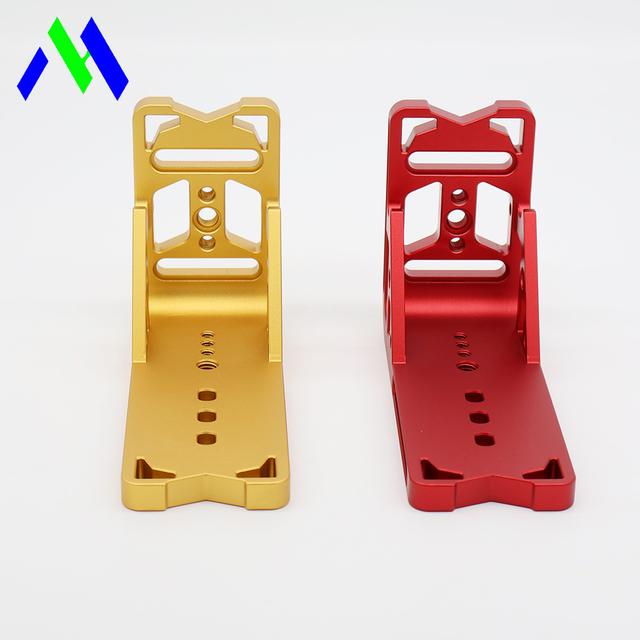
You need turbine blades to work in tough conditions. These blades spin at high speeds inside jet engines. They must have perfect shapes and smooth surfaces. Even a small error can cause big problems. 5-axis CNC machining helps you make turbine blades with tight tolerances and complex curves. You can use strong materials like Inconel for these parts.
GE Aviation uses 5-axis CNC machining to make turbine blades for the LEAP engine.
The process includes swarf cutting for the airfoil and flowline machining for the root.
You can reach a surface finish as fine as Ra 0.3 microns.
This method reduces cycle time by 20%.
You get blades that are strong, light, and ready for high temperatures. With 5-axis CNC, you can make small batches or prototypes quickly. This helps you test new designs before full production.
Airframe components form the main structure of an aircraft. These parts must be light but strong. You often see complex shapes in airframes, such as ribs, spars, and bulkheads. 5-axis CNC machining lets you create these shapes in one setup. You do not need to move the part many times, so you avoid mistakes.
5-axis machining is essential for making parts that face extreme stress.
You can handle complex geometries that are hard to make with 3-axis machines.
The process improves speed and keeps dimensions consistent.
You reduce human error and misalignment.
It works well for parts made from titanium and Inconel.
You can trust 5-axis CNC machining to deliver airframe parts that meet strict aerospace standards. This process helps you keep your aircraft safe and reliable.
Landing gear supports the whole aircraft during takeoff and landing. These parts must be strong and precise. You often see complex shapes in landing gear, such as domes and angles. 5-axis CNC machining is the best way to make these parts.
You avoid multiple setups, which saves time and keeps accuracy high.
5-axis machining handles intricate shapes that 3- or 4-axis machines cannot make well.
You do not need to refixture the part, so you work more efficiently.
NASA’s Orion bulkhead, with its domed shape, is a good example of this process.
You can make landing gear that is both lightweight and strong.
With 5-axis CNC machining, you can produce aerospace components that meet the highest standards for safety and performance. You can also make small batches or prototypes to test new ideas.
Tip: When you use 5-axis CNC machining, you get parts that are ready for the demands of flight. You save time, reduce errors, and improve quality.
Avionics housings keep important electronics safe in an aircraft. These housings protect flight computers, sensors, and communication devices. They shield electronics from heat, shaking, and wetness. Pilots trust these systems to guide the plane and keep people safe. If a housing has a mistake, the whole system can fail.
You use 5-axis CNC machining for avionics housings because you need high precision. These housings often have thin walls and sharp corners. They also have special spots for mounting. Simple machines cannot make these features. With 5-axis CNC, you cut every side in one setup. This helps you avoid mistakes and keeps each part the same.
Tip: 5-axis CNC machining gives you housings that fit well and protect electronics from harm.
Here are reasons why 5-axis CNC machining is best for avionics housings:
Complex Geometry: You can make housings with curves, pockets, and slots for connectors.
Tight Tolerances: Every hole and surface stays in the right spot, so circuit boards and connectors fit without gaps.
Material Flexibility: You can pick strong metals like aluminum or titanium, or use plastics like ABS and PEEK for lighter parts.
Superior Surface Finish: You get smooth surfaces that help seal and block unwanted signals.
Feature | Why It Matters for Avionics Housings |
|---|---|
Thin Walls | Makes parts lighter and saves space |
Precise Mounting Holes | Keeps electronics safe and lined up |
Shielded Compartments | Stops outside signals and protects circuits |
Custom Shapes | Fits into small spaces in the aircraft |
You often need just a few housings for new avionics designs. MHAO CNC can make one or a few housings quickly. You do not need to buy costly molds or wait a long time. You can test your design, change it, and get new parts fast.
Note: MHAO CNC uses ISO 2768 standards for every part. You always get quality you can trust.
When you pick 5-axis CNC machining for avionics housings, your electronics stay safe and work every time. You meet strict aerospace rules and finish projects on time. You can count on this technology for new designs and old systems.
You want every aerospace part to be the best. 5-axis CNC machining helps you make very precise parts. You can reach tight tolerances, like ±0.01 mm, even on hard shapes. The machine also makes smooth surfaces, with finishes as fine as Ra 0.8-1.6 μm. These smooth parts fit together well and last longer in tough places.
Here is how 5-axis machines help with quality and performance:
Improvement Type | Measurement |
|---|---|
Tolerances | ±0.01 mm on complex features |
Surface Finishes | Ra 0.8-1.6 μm on curves |
Vibration | Reduced through optimal angles |
Dimensional Stability | Improved on thin-walled features |
Tool Engagement | Consistent across complex surfaces |
You get better precision with every cut. The machine keeps the tool at the right angle. This lowers vibration and keeps thin parts steady. You get good results, even on small details. The machine drills holes that meet strict rules. You can trust each part to work well, flight after flight.
You need to save money and finish parts fast. 5-axis machining helps you do both. You can hold a part once and finish it in one setup. This saves time and money because you do not move the part again. Advanced CNC programming finds mistakes before you start making parts. This means fewer errors and more good parts on the first try.
See how this helps your work:
Impact Area | Description |
|---|---|
Setup Reduction | Decreases operational costs by allowing parts to be held in a single workholding solution, improving efficiency and reducing lead time. |
Advanced Programming | Utilizes complex software for accurate predictions and error correction, enhancing first-part yields and reducing production issues. |
Fast Turnaround | Enables production turnaround times ranging from 3 to 20 days, significantly faster than traditional methods. |
You make parts faster because you spend less time setting up. Fast turnaround lets you fill urgent orders without waiting. This helps you stay on budget and meet deadlines.
You often need to try new ideas before making many parts. 5-axis machining lets you make prototypes quickly. You can change your design and see results in just a few days. In one project, engineers tested a turbine part with rapid prototyping. After three changes, they used 5-axis CNC machining for the final part. This cut development time by 60% and found problems early.
Here are ways this flexibility helps you:
You get feedback on your design faster.
You can test many ideas at once.
You find problems early and save time and money.
You can go from prototype to finished part without changing machines. This makes your work smoother and more reliable. You keep up in the fast aerospace world by using CNC technology that fits your needs.
When you pick 5-axis CNC machining, your aerospace projects get a big boost. This technology helps you stay ahead in a fast industry. You can make better parts, finish them faster, and feel sure about your work. This puts you ahead of other companies.
Here’s how 5-axis CNC machining gives you a competitive edge:
Unmatched Precision: You can reach tolerances as close as ±0.005mm. This accuracy means your parts always fit just right. Your customers will see the difference.
Single-Setup Machining: You finish hard parts in one setup. This cuts down on mistakes and saves time. You do not have to move the part to other machines. Your work becomes easier and more steady.
Rapid Development: You can go from design to finished part very quickly. This speed helps you keep up with new needs or changes. You can test ideas and sell products before others do.
Versatile Material Handling: You can use many materials, like titanium, aluminum, nickel alloys, and special plastics. This lets you take on more jobs and help different customers.
Online Quotations: You get quick quotes for your parts. This helps you plan your work and watch your spending. You do not waste time waiting for prices.
Secure and Confidential Service: You keep your designs and data safe. MHAO CNC uses secure systems to protect your information. You can trust that your ideas stay private.
Process Optimization: You get expert tool path planning and smart machining steps. This gives you great results with less waste and lower costs.
Tip: With 5-axis CNC machining, you can promise your customers faster parts, better quality, and new ideas.
Feature | Your Advantage |
|---|---|
High Precision | Parts fit perfectly, every time |
Fast Turnaround | Meet tight deadlines with ease |
Flexible Prototyping | Test and improve designs quickly |
Secure Service | Keep your data and designs protected |
Wide Material Range | Take on more types of projects |
You can win more jobs because you do what others cannot. Your parts meet tough aerospace rules. Your customers trust you to fix hard problems. You build a name for quality and dependability.
When you use MHAO CNC’s 5-axis machining, you do not just keep up. You lead the way in precision, speed, and service for aerospace. That is your competitive edge.
Automation is changing how you use cnc technology in aerospace. Today, 5-axis machines have smart systems. These systems make work faster and more accurate. Automation and AI help lower human mistakes. Robots move parts between stations. Pallet pool systems keep jobs organized and save time. Bigger tool storage lets you keep more tools ready for hard jobs.
Here are some ways automation helps you:
Robots move parts and keep work going.
Pallet pools keep jobs in order and need less work.
More tool storage helps with tough machining.
Automated systems cut wait times and keep machines running.
Operator jobs get easier and less stressful.
You finish more parts in less time. You also see fewer mistakes and smoother work.
Tooling keeps getting better in cnc machining. You now use tools that last longer and cut more shapes. These new tools help you make complex aerospace parts with fewer setups. You get better accuracy and smoother finishes.
Here are the latest benefits:
Tools last longer, so you change them less.
You can make hard shapes and curves easily.
Fewer setups save time and lower mistakes.
Better accuracy keeps every part within limits.
Smoother finishes help parts last longer.
5-axis machines move along five axes at once. You shape tricky parts in one setup. This speed and flexibility help you meet tough aerospace needs. You finish jobs faster and with better quality.
Tooling Feature | How It Helps You |
|---|---|
Longer Tool Life | Less downtime, more production |
Complex Shape Making | More design options |
Fewer Setups | Faster, more accurate results |
Smoother Finishes | Better performance in flight |
You now focus on sustainability in cnc machining. Energy-saving machines help you use less power. You pick processes that protect the environment. You recycle materials and make less waste. You also use energy wisely in your shop.
Here are some steps you take:
Use machines that save energy.
Choose eco-friendly processes.
Make less waste and recycle more.
Use energy in smart ways.
Find and use green materials.
Some shops use renewable energy to run their cnc machines. You help lower the impact of aerospace work on the planet. You build parts that meet strict rules and help protect the earth.
Tip: When you use green machining, you help make aerospace cleaner for the future.
You now know why aerospace uses 5 axis CNC machining for the best parts. This technology helps you:
Make tricky parts like NASA’s Orion bulkhead with close tolerances.
Get smooth finishes and the same accuracy every time.
Work faster by cutting many sides at once.
Build new designs without moving the part.
The future will bring more changes to this field:
Trend | Description |
|---|---|
AI and Machine Learning | Smarter software makes machining quicker and better |
Cloud-Based Machining | Watch and check quality in real time |
Sustainability | Use greener methods and make less waste |
Hybrid CNC Systems | Mix CNC, 3D printing, and lasers for new ways to make parts |
Pick MHAO CNC for your next aerospace job and keep leading with new ideas.
You get more precise and complex shapes with 5-axis CNC machining. The machine moves in five directions, so you can cut all sides in one setup. This helps you make strong, light, and safe aerospace parts.
Yes, you can. You can machine metals like titanium and aluminum, and plastics like ABS and PEEK. This lets you choose the best material for each aerospace part.
You finish most parts in one setup. You do not need to move the part between machines. This lowers the chance of mistakes and keeps your parts accurate.
Tight tolerances keep your parts safe and reliable. Even a small error can cause big problems in flight. You must meet strict rules to make sure every part works as planned.
You can get parts in as little as 3 to 20 days. Fast setups and fewer steps help you finish projects quickly. You save time and meet tight deadlines.
Yes! You can test new designs and make changes fast. You do not need special molds. This helps you see how your part works before full production.
You use precise measuring tools and keep records for every job. You follow rules like ISO 2768 and AS9100. This helps you prove your parts are safe and high quality.