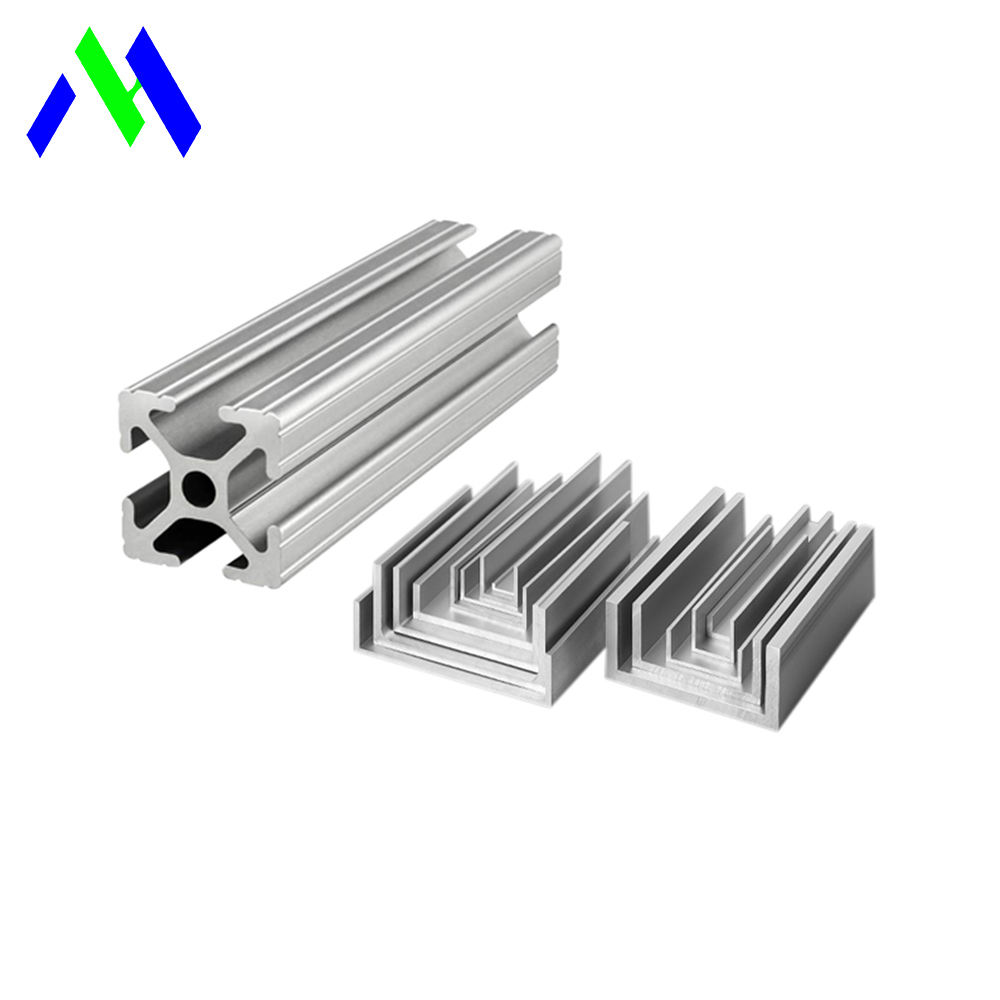
Engineers, product designers, and industrial manufacturers frequently face a critical dilemma on the factory floor. How do you select the absolute best material state for a demanding project? Base alloys like the ubiquitous 6061 and 6063 series dominate various industries. However, simply picking a chemical composition is only half the battle. The final physical behavior of the metal is actually dictated by its temper. This specific thermal treatment occurs immediately after shaping. This comprehensive guide directly tackles a primary engineering debate regarding whether T5 or T6 is ultimately stronger. By unpacking the metallurgical science, shop-floor manufacturing realities, and practical applications behind both finishes, you will gain a clear framework for material selection. Grasping these fundamental differences is non-negotiable for anyone involved in aluminum extrusion and custom fabrication. It ensures your final product meets rigorous safety standards without blowing the budget.
T6 aluminum delivers significantly higher strength than T5 aluminum thanks to an aggressive solution heat-treatment and rapid water-quenching cycle.
T5 aluminum is cooled naturally by forced air immediately after leaving the press. This gentle transition makes it highly resistant to thermal distortion and highly cost-effective for architectural applications.
Your specific mechanical demands dictate the choice. T6 is mandatory for structural, high-stress load-bearing environments. Meanwhile, T5 shines in aesthetic, complex everyday profiles.
Both tempers are standard, industry-recognized finishes that directly influence long-term durability, machinability, and overall production price.
To make an informed decision between these two popular options, we first need to decode the designation system established by the Aluminum Association. In the realm of metallurgy, the letter T stands for Thermally Treated. Seeing this letter attached to an alloy grade indicates a highly controlled sequence of heating and cooling. This process achieves stable mechanical properties far superior to the raw, as-extruded state. Raw metal emerging straight from the die is relatively soft. It simply lacks the tensile and yield strength required to support a building facade or an automotive chassis. To transform this pliable material into a robust industrial component, manufacturers utilize precipitation hardening. By meticulously manipulating the heating and cooling cycles, metallurgists alter the microscopic grain structure. This effectively traps alloying elements like magnesium and silicon within the matrix to increase overall hardness. For procurement teams and designers, getting this specification right is critical. Specifying a weaker temper for a load-bearing structure invites catastrophic mechanical failure. Conversely, demanding an overly rigid temper for a simple cosmetic trim only results in inflated manufacturing costs, extended lead times, and unnecessary fabrication headaches.
The T5 designation refers to a highly efficient cooling and artificial aging workflow. Picture the factory floor. As the glowing hot metal is pushed through the steel die, it emerges at extreme temperatures. For a T5 finish, this hot profile is immediately cooled using high-velocity industrial fans blowing ambient air across the run-out table. Once the extruded part reaches room temperature naturally, it is transferred into massive industrial ovens for artificial aging. Here, it bakes at a moderate temperature—typically around 320 degrees to 350 degrees Fahrenheit—for several hours. This controlled baking stabilizes the internal stresses and moderately boosts the baseline strength of the metal.
Exceptional Dimensional Stability: The metal cools gradually in the air rather than being plunged into an icy bath. This avoids severe thermal shock. This gentle temperature drop keeps complex, thin-walled shapes from warping, twisting, or bowing out of tolerance.
Cost-Effective Production: Bypassing the energy-intensive solution heat treatment saves time. It also eliminates violent water-quenching steps. This streamlines the entire manufacturing flow. Less equipment and faster processing translate directly to lower costs for the end buyer.
Superior Surface Finish: The absence of aggressive quenching preserves a pristine, unblemished surface on the raw metal. Consequently, T5 is the premier choice for secondary cosmetic treatments like architectural anodizing, electrophoresis, and powder coating. For example, Dural 6063-T5 aluminum extrusion folding frame profiles leverage this exact temper to achieve a flawless cosmetic finish while maintaining the precise tolerances needed for smooth folding mechanisms.
Lower Mechanical Limits: The most notable drawback is its restricted tensile and yield strength when pitted against T6. Air-cooling simply does not lock the hardening elements into the crystalline structure as effectively as rapid quenching.
Restricted Load Capacity: Because of these lower thresholds, this temper is generally disqualified from heavy-duty structural frameworks, high-impact environments, or critical aerospace applications.
Furthermore, engineered for maximum resilience, the T6 temper involves a much more aggressive and transformative thermal journey. The primary goal here is to extract every ounce of potential strength from the base alloy. The procedure kicks off with solution heat treatment. The metal is heated in specialized furnaces to blisteringly high temperatures—often exceeding 900 degrees Fahrenheit. This continues until the alloying elements completely dissolve into a solid solution. Immediately following this intense heat, the material is subjected to rapid quenching. It is typically submerged in a frigid water bath or blasted with high-pressure water jets. This violent, instantaneous drop in temperature freezes the alloying elements exactly where they are. Finally, similar to the previous method, the metal is artificially aged in an oven to allow microscopic precipitates to form. This creates a highly rigid interlocking structure.
Maximum Strength: The T6 process yields the highest ultimate tensile strength and yield strength available within its specific alloy family. The aggressive quenching maximizes the hardening potential. It creates a tightly packed molecular defense against physical stress.
Unmatched Durability: Exhibiting exceptional resistance to deformation under heavy mechanical loads, this temper is the undisputed standard for safety-critical applications. These include automotive crash structures, military hardware, and heavy machinery frameworks.
High Risk of Distortion: Dropping a metal's temperature by hundreds of degrees in mere seconds induces massive thermal shock. This often causes the extruded profiles to warp wildly like a bent bow. To fix this, manufacturers must employ massive hydraulic stretchers in a secondary mechanical straightening phase.
Increased Cost and Complexity: The multi-step cycle of solution heating, rapid quenching, mechanical straightening, and artificial aging consumes vastly more energy, specialized labor, and time. Naturally, this complex workflow commands a higher premium price.
To address the core engineering question directly, T6 is unequivocally stronger than T5. While both thermal treatments successfully elevate the baseline strength of raw metal, the rigorous metallurgical management inherent in the T6 process produces a significantly harder, more resilient material. To truly grasp the magnitude of this difference, we must look at empirical testing data.
The table below highlights a standard mechanical comparison between the widely utilized 6063 alloy in both tempers. These figures are based on typical industry testing parameters.
Mechanical Property | 6063-T5 Aluminum | 6063-T6 Aluminum | Approximate Difference |
|---|---|---|---|
Ultimate Tensile Strength | 186 MPa or 27,000 psi | 241 MPa or 35,000 psi | T6 is roughly 30 percent stronger |
Yield Strength | 145 MPa or 21,000 psi | 214 MPa or 31,000 psi | T6 is roughly 47 percent stronger |
Brinell Hardness | 60 HB | 73 HB | T6 is significantly harder |
Exact values fluctuate slightly depending on the specific manufacturer testing methods and physical dimensions, but the proportional strength ratio remains remarkably consistent.
Specifically, the secret to this superior strength lies deep within the crystalline lattice of the metal. When cooling slowly in ambient air, the hardening elements—such as magnesium silicide—have ample time to naturally clump together in larger, less effective formations. In stark contrast, rapid water quenching prevents these elements from clumping. Instead, it traps them evenly distributed throughout the matrix at a microscopic level. During the subsequent aging phase, these trapped elements form a dense, uniform network of fine precipitates. This intricate network acts as a highly effective roadblock against molecular dislocation. In practical terms, the internal structure is tightly locked together. This makes it dramatically harder to bend, stretch, or fracture under immense physical pressure.
Looking broadly at the global manufacturing sector, current industry trends reveal a fascinating split in material specification. Driven by the booming new energy sector, there is an unprecedented demand for lightweight, ultra-high-strength materials. Engineers are increasingly pushing the boundaries of T6 tempers to construct robust battery enclosures and structural vehicle frames. The market demands safety-critical components that can absorb massive impact forces without adding unnecessary weight. Conversely, the rapid expansion of global solar infrastructure has cemented T5 as the undisputed king of photovoltaic panel framing. Solar farms require millions of linear feet of framing that must be dimensionally perfect, weather-resistant, and highly cost-effective. The gentle air-cooling process delivers exactly this balance, proving that ultimate strength is not always the ultimate goal in modern engineering.
It is impossible to fully evaluate these material states without examining the manufacturing technologies that bring them to life. The custom aluminum extrusion profiles workflow is fundamentally intertwined with how these tempers are achieved. The thermal treatment is not merely an afterthought bolted onto the end of production. It is actively applied the exact moment the hot profile exits the press die. During production, the physical design of the part heavily influences the viable temper. Intricately designed, thin-walled profiles might distort beyond repair if subjected to violent water-quenching. This makes air-cooling the only viable path to maintain tight tolerances. Thick, solid geometries designed for heavy lifting, however, can easily withstand aggressive quenching without warping. Advanced manufacturing facilities deeply customize cooling rates and aging cycles to perfectly match the mechanical demands of a specific design. Partnering with a highly capable CNC and fabrication expert is paramount. A reliable partner monitors thermal data in real-time, ensuring that the chosen temper flawlessly balances structural integrity with manufacturability.
Selecting the right finish is a critical bottom-of-funnel decision. It impacts both engineering safety and financial viability. Here is a practical, shop-floor decision framework tailored to specific use cases.
Specify this finish for applications where perfect shape retention and pristine surface aesthetics outweigh the need to support massive structural loads.
Architectural Applications: Window frames, door frames, curtain walls, and storefronts heavily rely on this finish. The superior surface quality is perfect for cosmetic anodizing.
Custom Heat Sinks: Electronics cooling components often feature highly intricate, delicate fins. Gentle air-cooling prevents these thin fins from warping during production.
Everyday Consumer Goods: Furniture frames, display cabinets, and decorative trim pieces require dimensional accuracy. Here, budget constraints take priority over brute strength.
This finish is engineered for scenarios where failure is simply not an option. If your project involves high stress, heavy loads, or safety-critical components, this is the mandatory choice.
Structural Engineering: Load-bearing construction supports, scaffolding, and heavy-duty industrial platforms.
Transportation and Aerospace: Chassis parts, bicycle frames, marine fittings, and aerospace components requiring an elite strength-to-weight ratio.
Industrial Machinery: Heavy-duty brackets, pneumatic automation framing, and robotic arms that must endure constant vibration and cyclic mechanical stress.
Beyond raw mechanical properties, procurement teams must carefully weigh the economic and logistical impacts of their material selection.
T6 consistently carries a premium price tag. This cost disparity is not tied to the raw billet—the base alloy is identical—but rather the intensive manufacturing cycle. Specialized water-quenching equipment consumes massive amounts of water and electricity. Furthermore, because thermal shock causes the metal to bow, these profiles must undergo secondary mechanical straightening. Operating massive hydraulic stretchers requires additional labor and rigorous quality control inspections. This drives up the final cost per kilogram. A core tenet of efficient product development is avoiding over-engineering. If a specific component functions simply as a light-duty enclosure or a decorative trim, paying the premium for maximum strength is a wasted expense. For the vast majority of non-structural applications, T5 offers exceptional value for money. However, if the part is the literal backbone of a machine or building, the extra investment in T6 is not just valuable—it is a strict necessity for compliance and safety.
The extra routing involved in rapid quenching and subsequent straightening extends manufacturing lead times. Conducting rigorous tensile testing to ensure post-quench dimensional accuracy adds hours or even days to the production schedule. By contrast, the highly streamlined nature of air-cooling often results in faster turnaround times. Metal moves directly from the run-out table to the aging ovens. This makes it ideal for high-volume, time-sensitive architectural orders relying on a streamlined aluminum extrusion process.
When evaluating the metallurgical data, the picture is clear. T6 wins the battle of sheer strength. Through a rigorous cycle of solution heat treatment and rapid water quenching, it achieves superior yield and tensile properties. This cements its status as the definitive choice for heavy-duty, load-bearing applications. In contrast, T5 provides unparalleled dimensional stability, pristine surface finishes, and impressive cost-efficiency. Its gentle air-cooling process makes it the perfect candidate for intricate architectural designs and complex extrusions that prioritize precision over raw power. Ultimately, the best temper is not universally defined by strength alone. It is the one that perfectly aligns with your specific mechanical requirements, aesthetic goals, and budget constraints. We highly encourage product developers to consult with experienced specialists to determine the optimal thermal treatment for their exact specifications. Ready to source premium materials for your next project? Explore our extensive catalog and technical capabilities at MHAOCNC. Whether you require high-strength structural components or precise cosmetic trims, you can find the perfect custom aluminum extrusion profiles tailored to your exact engineering standards.
Yes, but T5 is generally much easier to bend or form without cracking. Because it is slightly less brittle and hard than its rapidly quenched counterpart, it tolerates mechanical deformation better. Bending T6 is notoriously difficult. It often requires the forming process to take place before the final artificial aging step, while the metal is still in a softer, malleable state.
It entirely depends on the end-use application. The 6061-T6 specification is a significantly stronger alloy and temper combination, making it the industry standard for structural components and heavy machinery. Alternatively, 6063-T5 yields a much smoother surface finish, is easier to extrude into highly complex cross-sections, and stands as the ideal choice for architectural framing and aesthetic trims.
Technically, yes. You can take an existing air-cooled piece, subject it to solution heat treatment, rapidly quench it in a cold water bath, and artificially age it to achieve a harder temper. However, this is rarely cost-effective outside of the initial manufacturing process. It also poses a severe risk of warping or destroying the already-finished part due to extreme thermal shock.
The primary difference lies in the speed and medium of temperature reduction. T5 is cooled gradually by ambient or forced air as it leaves the press, which minimizes thermal shock and preserves dimensional accuracy. T6 is rapidly quenched in a cold water bath immediately after high-temperature solution treatment. This drastically drops its temperature in mere seconds, locking in the hardening elements but significantly increasing the risk of physical distortion.
Yes, the increased hardness of the T6 temper makes it slightly more challenging to machine compared to T5. The rigid interlocking crystalline structure creates more resistance against cutting tools, which can lead to faster tool wear. However, this same hardness allows for cleaner, more precise chip formation during CNC milling, often resulting in a superior machined finish if the correct speeds and feeds are applied.
Absolutely. Because T5 avoids the violent thermal shock of a water quench, the surface of the metal remains incredibly smooth and free of microscopic stress fractures. This pristine surface accepts anodizing dyes and chemical treatments exceptionally well, resulting in a vibrant, uniform cosmetic finish. While T6 can certainly be anodized, the rigorous mechanical straightening required after quenching can sometimes leave faint surface irregularities that become visible after the anodizing process.