
Why do modern aircraft rely so heavily on lightweight metals? The answer boils down to operational efficiency. Shedding aircraft weight directly slashes staggering fuel costs. But engineers face a constant battle. They must balance this relentless need for lightness against the demand for complex, durable shaping. Finding an alloy that hits both targets precisely is notoriously tough.
In this guide, we dive deep into the core characteristics of 6063 T5 Aluminum. We will break down its metallurgical makeup and thermal processing. By the end, you will discover exactly why it has carved out a vital niche in aerospace engineering and industrial design.
6063 T5 Aluminum strikes an optimal engineering balance. It delivers moderate mechanical strength, exceptional extrudability, and superior surface finishing capabilities.
Within the broader category of Aerospace Aluminum, this specific alloy is the go-to choice for non-structural cabin components and complex custom shapes where shedding weight is the primary design constraint.
The T5 temper designation means the metal is cooled directly from an elevated temperature shaping process, such as an extrusion press, and then artificially aged. This guarantees excellent dimensional stability straight out of the die.
Compared to 6061 or T6 tempers, 6063 T5 is far more cost-effective for manufacturing intricate profiles that require flawless anodizing over extreme tensile strength.
To specify materials effectively for high-stakes engineering projects, you must understand the underlying metallurgy. The performance of any alloy on the shop floor—and ultimately in the sky—is dictated by its chemical composition and the thermal treatment it undergoes.
The 6000 series aluminum alloys rely on two primary alloying elements. These are magnesium and silicon. When combined during the melting process, they form magnesium silicide. This specific compound makes the metal heat-treatable and significantly boosts its baseline mechanical properties.
Specifically, 6063 aluminum keeps these alloying elements at relatively low levels compared to heavier aerospace metals. This lean formulation slightly lowers the melting point. More importantly, it drastically improves how the metal flows through a steel extrusion die. From a design perspective, this precise balance yields a highly corrosion-resistant material capable of maintaining its structural integrity across drastically varying environmental conditions.
In metallurgical terms, the temper describes the mechanical or thermal processing an alloy undergoes to achieve its final properties. The T5 designation signifies that the aluminum has been cooled directly from an elevated temperature shaping process and subsequently artificially aged.
Imagine the extrusion process on the factory floor. A heated aluminum billet is forced through a precision steel die. As the newly shaped profile exits the press, high-velocity fans rapidly air-cool it. Following this initial cooling phase, technicians transfer the metal into an aging oven at a controlled temperature—typically hovering around 175°C to 205°C—for several hours. This artificial aging process precipitates the magnesium silicide within the aluminum matrix. Consequently, it locks the grain structure into place and increases the yield strength. Crucially, it does this without introducing the severe internal stresses associated with aggressive water-quenching methods.
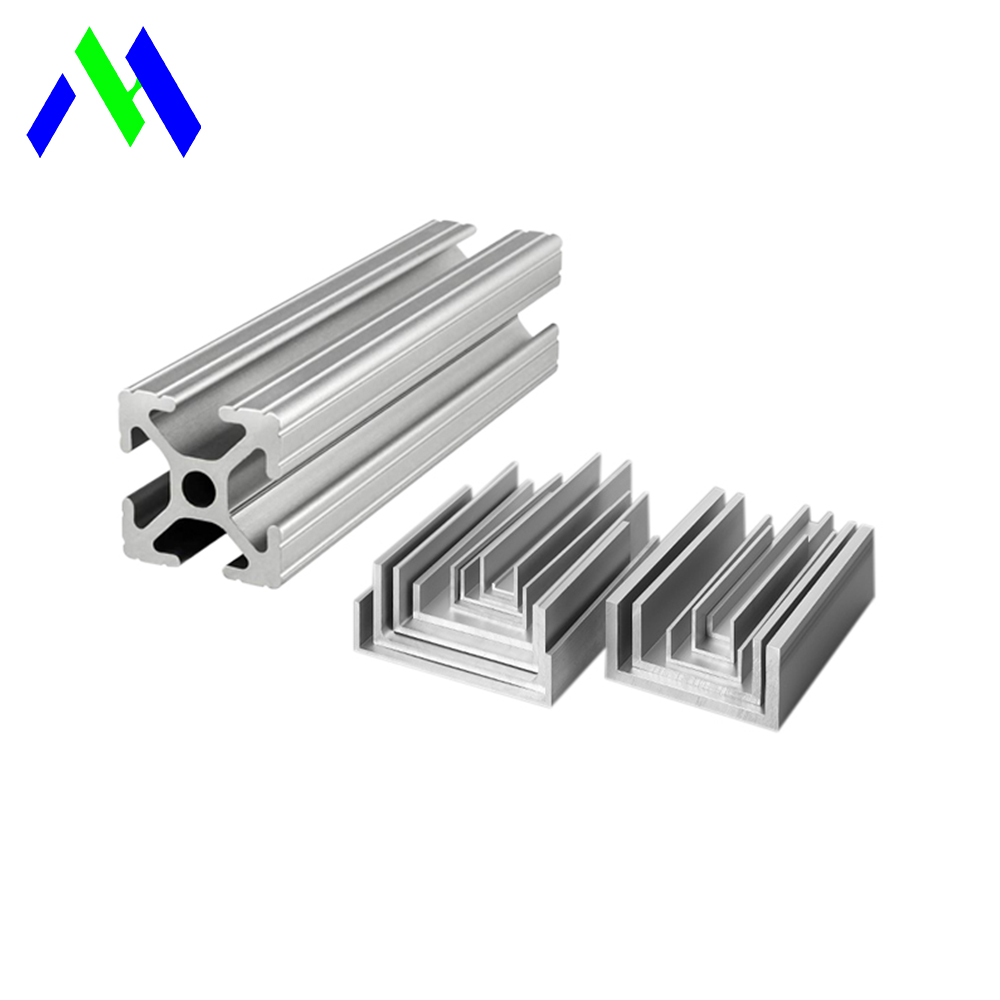
Recent industry analyses reveal a massive shift in aerospace manufacturing. Driven by the push for net-zero emissions by 2050, commercial aviation and the booming electric vertical takeoff and landing sector are rethinking material selection. Heavy industrial plastics and older, hard-to-recycle composites are being phased out. Instead, engineers are pivoting toward highly recyclable Aerospace Aluminum. This transition allows procurement teams to shave crucial ounces off cabin interiors without sacrificing safety or aesthetics.
Every single gram removed from an aircraft's dry weight translates directly to reduced fuel consumption, lower operational overhead, and decreased carbon emissions. 6063 T5 boasts a remarkably low density of approximately 2.7 grams per cubic centimeter. By utilizing this lightweight alloy for interior frameworks and non-load-bearing components, engineering teams can meet strict weight reduction targets effortlessly.
Because 6063 T5 prioritizes formability and visual finish over peak tensile strength, it has become the standard material specification for non-structural aerospace components. Walk onto any modern commercial jet, and you are surrounded by it. Typical applications include:
Cabin Interiors: Window trim profiles, partition frames, and seamless aesthetic moldings.
Seating Frameworks: Lightweight structural supports and track covers for passenger seating.
Overhead Bin Trims: Extruded rails and latches requiring smooth operation and clean aesthetics.
Electronic Housing: Enclosures for sensitive avionics that demand precise internal dimensions and rapid thermal dissipation.
Aesthetics and protective coatings are paramount in aircraft interiors. The intentionally low iron and copper content in 6063 T5 allows it to achieve a smoother, more uniform surface finish straight from the extrusion die than almost any other industrial alloy. Furthermore, it takes to anodizing exceptionally well. Whether a component requires a thick, clear anodized finish to resist daily cabin wear-and-tear, or a color-anodized surface to match specific airline branding, 6063 T5 provides a flawless oxide layer. This enhances both corrosion resistance and visual depth.
Translating technical specifications into tangible project benefits is crucial for teams looking to optimize their supply chain. The inherent properties of 6063 T5 make it a highly predictable and reliable choice for custom manufacturing.
For non-structural aerospace applications, extreme rigidity is often less important than consistent durability. Take, for example, custom folding frame profiles used in modern aerospace seating or drone chassis. These components require a specific balance of flex and strength. 6063 T5 hits these numbers perfectly.
Ultimate Tensile Strength: 150 to 185 MPa
Yield Strength: 110 to 130 MPa
Elongation: 8% to 12%
This specific yield strength ensures the material maintains its intended shape under standard passenger cabin loads. Meanwhile, its elongation percentage allows the frame to absorb in-flight vibrations and slight flexing during turbulence without risking catastrophic brittle failure.
Avionics and aerospace electronics generate significant heat. This thermal load must be managed safely within tight, enclosed spaces. 6063 T5 possesses excellent thermal conductivity, measuring approximately 200 watts per meter-kelvin. This makes it an ideal candidate for extruded heat sinks and electronic enclosures, allowing dangerous heat to dissipate rapidly away from sensitive flight instruments.
Aircraft experience brutal variations in temperature and atmospheric moisture during a single flight. They shift from a humid tarmac to freezing, sub-zero temperatures at cruising altitude in a matter of minutes. 6063 T5 naturally forms a robust, passive oxide layer when exposed to oxygen. This halts further oxidation in its tracks. This high baseline corrosion resistance dramatically reduces long-term maintenance costs and extends the lifecycle of interior aerospace components.
Selecting the correct alloy is only the first step. The temper dictates the metal's final mechanical behavior. For 6063 aluminum, the T5 and T6 tempers are the most commonly debated. Yet, they serve distinctly different engineering requirements.
The primary distinction lies in how the metal is cooled and aged. The T5 temper is air-cooled directly from the extrusion press. It strategically bypasses a separate, energy-intensive solution heat-treatment stage. The result is minimal internal stress.
In contrast, the T6 temper requires a dedicated solution heat treatment after extrusion. The metal is heated in a specialized furnace to approximately 520°C to completely dissolve the magnesium and silicon into a solid solution. It is then rapidly quenched in water to freeze the grain structure in place, followed by artificial aging. This aggressive secondary heating and rapid quenching process alters the internal grain structure far more intensely.
These contrasting thermal treatments create a direct trade-off between ultimate tensile strength and material formability.
Because of the rapid water quenching, T6 achieves higher peak strength and hardness. It typically exhibits a yield strength of around 214 MPa. However, this sudden temperature drop introduces residual internal stresses. If your profile features complex internal webs or varying wall thicknesses, T6 will likely distort or warp.
Conversely, the gentler air-cooling process of the T5 temper minimizes these stresses. While it yields a lower mechanical profile, it excels in extrudability. Manufacturers can push T5 metal through highly intricate dies without the risk of post-quench warping. This makes T5 the superior choice for complex geometric Aluminum Extrusion Profiles featuring paper-thin walls, tight internal radii, or delicate snap-fit joints.
Procurement officers must balance functional requirements with production feasibility. You should specify T5 if your project involves intricate, custom cross-sections, demands flawless aesthetic finishes for anodizing, or requires budget-conscious manufacturing by bypassing secondary heat treatments. On the other hand, choose T6 only if your project involves simpler geometric shapes, like standard tubes or solid bars, that require higher baseline rigidity to resist deformation.
Within the 6000 series family, 6061 and 6063 are the most frequently compared alloys. Confusing the two can lead to either over-engineering a simple trim piece or under-specifying a critical load-bearing bracket.
Both alloys offer excellent weldability using standard gas tungsten arc welding and gas metal arc welding techniques. However, engineers must account for the heat-affected zone, as welding will temporarily reduce the temper in that specific area.
When it comes to CNC machining, 6061 holds a distinct advantage. The higher silicon and copper content produces a slightly harder, more brittle material. On the shop floor, when a CNC operator mills 6061, the chips break off cleanly. In contrast, 6063 is softer and more ductile. It can occasionally produce long, gummy stringers during aggressive machining, requiring careful tool path programming and specialized cutting fluids.
The fundamental divide between these two alloys comes down to structural capacity versus surface optimization.
6061 is widely recognized as the heavy-duty workhorse of the aerospace industry. It is utilized for secondary structural components like fuselage sub-frames and high-stress mounting plates. However, its complex grain structure makes it notoriously difficult to extrude into highly detailed shapes. It also often exhibits a slightly matte, inconsistent finish when clear-anodized.
6063 is engineered specifically for extrusion efficiency. It flows through standard steel dies with significantly less friction than 6061. This allows for the creation of delicate profiles physically impossible to achieve with 6061. If the part is visible to the passenger and requires a mirror-smooth, uniform anodized finish, 6063 T5 is the undisputed champion.
Specification Parameter |
6063 T5 Aluminum |
6061 T6 Aluminum |
|---|---|---|
Primary Alloying Elements |
Magnesium 0.45-0.9%, Silicon 0.2-0.6% |
Magnesium 0.8-1.2%, Silicon 0.4-0.8%, Copper 0.15-0.4% |
Yield Strength |
Approx. 130 MPa |
Approx. 276 MPa |
Extrudability Rating |
Excellent. Ideal for complex, thin-walled dies. |
Moderate. Better suited for standard geometric shapes. |
Anodizing Response |
Outstanding. Uniform, highly aesthetic finish. |
Good. Functional, but may show grain variations. |
Primary Aerospace Use |
Cabin interiors, window trims, folding frames. |
Secondary structural frames, heavy-duty brackets. |
Cost optimization in aerospace manufacturing extends far beyond the raw per-kilogram price of the aluminum billet. The total cost of ownership encompasses die tooling, extrusion speed, secondary machining, defect rates, and long-term material performance.
How do you translate these material properties into a reliable procurement strategy? First, look at your wall thickness. If your design features walls thinner than 1.5mm or intricate interlocking joints, 6063 T5 is your go-to. It flows through the die with up to 20% less friction than 6061. This puts significantly less physical strain on the steel die, extending its operational lifespan and reducing expensive tooling maintenance.
Furthermore, the T5 temper eliminates the need for energy-intensive solution heat treatment. This reduction in thermal processing steps translates directly to lower per-unit manufacturing costs. Because 6063 T5 rarely suffers from quenching distortion, the rejection rate for highly complex profiles drops substantially, ensuring a higher yield per production run.
To prevent costly procurement delays and ensure component accuracy, Request for Quotes must be highly detailed. When specifying 6063 T5, ensure the following parameters are explicitly documented:
Alloy and Temper: Clearly state 6063-T5 to avoid inadvertently receiving the less formable T6 temper or the much softer T4 temper.
Dimensional Tolerances: Specify the required tolerance standard. Reference specific standards such as ISO 2768-m or ANSI H35.2. Standard architectural tolerances simply will not suffice for aerospace needs.
Surface Finish Requirements: Indicate if the part will be exposed or hidden. If anodizing is required, specify the exact type and class, such as MIL-A-8625 Type II Class 1 for clear anodizing, and state the desired micron thickness.
Secondary Operations: Detail any required CNC machining, deburring, or specific cut-to-length requirements, as this will heavily impact final packaging and shipping logistics.
6063 T5 Aluminum stands as an indispensable material in modern engineering. By offering an unmatched combination of lightweight properties, exceptional extrudability, and superior surface finishing, it empowers designers to create complex components that actively reduce aircraft weight while enhancing interior cabin aesthetics.
Understanding the nuanced metallurgical differences between tempers allows engineering teams to optimize both mechanical performance and manufacturing costs. By choosing the highly formable T5 over the more rigid T6 for complex shapes, you ensure dimensional stability straight out of the press.
Are you ready to optimize your next aerospace build? Sourcing the right material requires a partner who understands strict dimensional tolerances and flawless surface finishing. Explore the comprehensive range of precision-engineered components at Mhao CNC. Whether you need custom folding frame profiles, electronic enclosures, or intricate cabin trims, you can find the exact Aluminum Extrusion Profiles to meet your project's uncompromising demands. Partnering with experienced extrusion manufacturers ensures your custom profiles meet rigorous standards from the first run to the last.
Yes. While you will not find it holding up primary load-bearing structures such as wing spars or main fuselage ribs, it is an absolutely essential material within the aerospace sector. It is heavily utilized for interior cabin components, seating framework trims, overhead bin tracks, and avionics enclosures. In these specific applications, the moderate strength of the T5 temper is more than sufficient, and its extreme weight reduction capabilities help engineers meet strict fuel efficiency targets.
The primary difference lies in the thermal cooling and heat treatment process. The T5 temper is air-cooled directly from the extrusion press and subsequently artificially aged in an oven. This makes it highly stable and ideal for extruding complex, intricate shapes without distortion. The T6 temper requires a separate solution heat treatment and a rapid water quench before aging. This results in higher overall tensile strength but slightly reduces the material's extrudability and introduces internal stress.
Yes, 6063 T5 is highly weldable using standard industrial methods such as Gas Tungsten Arc Welding or Gas Metal Arc Welding. It responds well to common filler alloys like 4043 or 5356. However, the intense heat of the welding process will temporarily reduce the mechanical strength of the metal in the heat-affected zone. Depending on the structural requirements of the component, post-weld artificial aging may be necessary to fully restore the material's integrity.
It performs exceptionally well. 6063 T5 naturally generates a protective oxide layer that resists environmental degradation. Because it lacks the high copper content found in 6061 or 2000-series alloys, it is far less prone to galvanic corrosion. When properly anodized, it easily withstands the salt-laden air typical of coastal airports and high-humidity flight routes, making it a low-maintenance solution for exposed trims.
While 6063 T5 has an elongation rate of 8% to 12%, which allows for slight flexing, aggressive post-extrusion bending can be challenging. Because the T5 temper is already artificially aged to increase hardness, attempting a tight-radius bend may result in surface cracking or structural failure. If your design requires severe post-extrusion forming, it is usually better to extrude the metal in a softer T4 temper, perform the bending operations, and then artificially age the finished part to a T5 or T6 state.