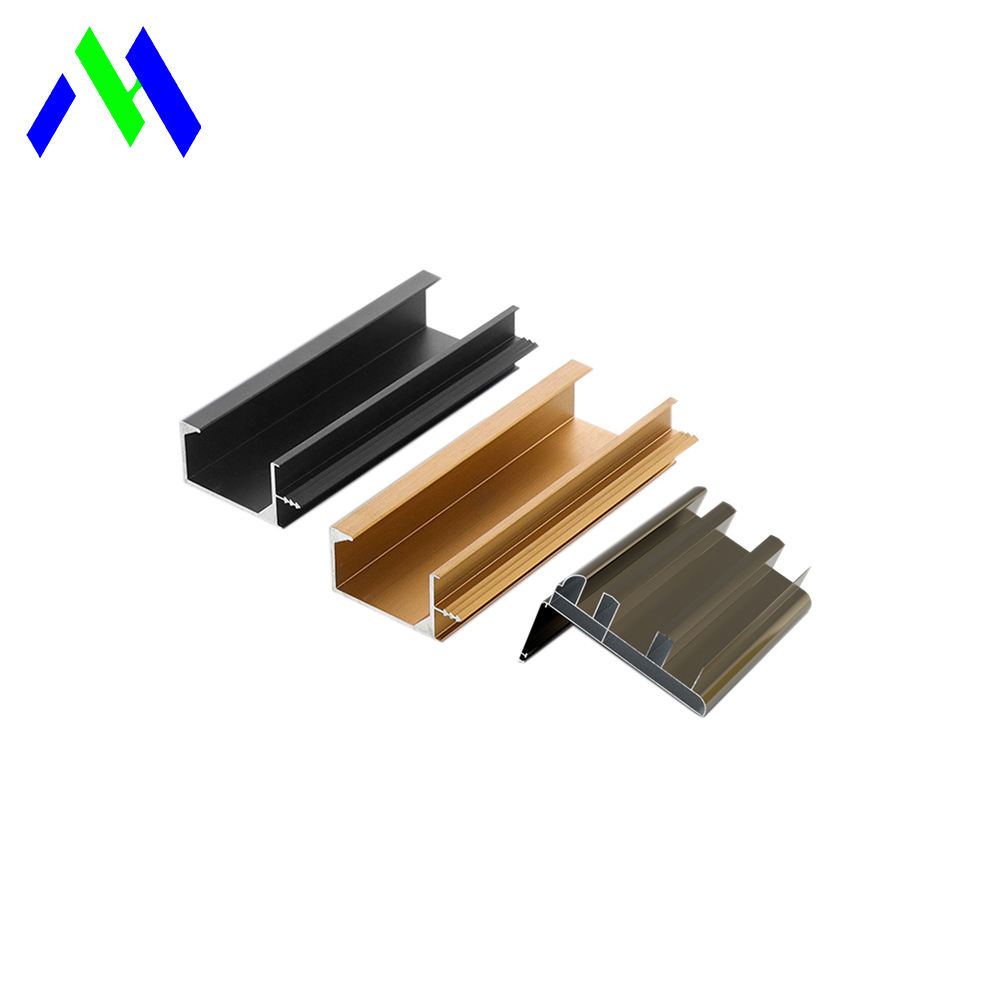
Are you building a custom CNC machine or designing an industrial workstation? Hitting the budgeting phase often brings projects to a screeching halt. T-slot modular framing is incredibly versatile. Engineers frequently dub it the industrial Meccano. However, calculating the true expenditure can be downright confusing. The sticker shock rarely comes from the raw metal itself. Specialized hardware, custom machining fees, and exorbitant shipping rates usually obscure the actual financial requirements. In this comprehensive guide, we break down the exact costs of building a modular framework. By understanding market variables and hidden fees, you can confidently budget without overspending.
Average Base Cost: The direct price of an aluminum profile typically ranges from $0.50 to $3.00 per inch, translating to roughly 6 to 35 dollars per foot. This fluctuates heavily based on the series, wall thickness, and specific alloy grade.
Hidden Expenses: The raw metal represents only a fraction of the total bill. Corner brackets, specialized fasteners, and custom machining like tapping or access-hole drilling can easily double your initial project estimates.
Logistics Matter: Aluminum profiles are long and rigid. Freight shipping incurs premium surcharges. Sourcing locally or designing around standard parcel lengths drastically reduces logistics overhead.
System Differences: Fractional systems like the 10 or 15 Series and Metric systems such as 2020 or 4040 carry distinct price points dictated by their cross-sectional mass.
Before diving into spreadsheets, we must establish what this material actually is. At its core, this material refers to a highly adaptable T-slot aluminum framing system. This ingenious design allows for the rapid assembly of rigid structural frames. You completely avoid welding, consumable gases, or permanent fastening methods. The enduring popularity stems from an exceptional strength-to-weight ratio combined with inherent modularity.
Continuous T-shaped grooves run along the longitudinal axis. Builders simply drop T-nuts and brackets anywhere along the bar. Need to shift a structural cross-member two inches for a new motor mount? Just loosen a bolt, slide the member, and retighten it. This translates to infinite adjustability on the shop floor.
Terminology is important in procurement. When procurement managers discuss 80/20 Aluminum Extrusion pricing, they generally refer to the broader category of modular T-slot profiles. This distinction sets the stage for comparing prices across premium brands, generic suppliers, and regional distributors.
When drafting a Bill of Materials, the most immediate question is the direct cost of the raw material. Pricing scales linearly with the cross-sectional mass. More aluminum equals a higher price tag. To make this concrete, let us look at a direct comparison of standard profiles based on current market averages.
Profile Series | Dimension | Typical Alloy | Estimated Cost Per Foot | Best Application |
|---|---|---|---|---|
2020 Metric | 20mm x 20mm | 6063-T5 | $4.00 - $6.50 | Lightweight sensor mounts, 3D printers |
10 Series Fractional | 1.0" x 1.0" | 6063-T5 | $5.50 - $8.00 | Display racks, safety enclosures |
4040 Metric | 40mm x 40mm | 6063-T5 / 6105-T5 | $11.00 - $17.00 | Medium-duty automation framing |
15 Series Fractional | 1.5" x 1.5" | 6105-T5 | $12.00 - $18.00 | Machine bases, heavy-duty workstations |
25 Series Fractional | 2.5" x 2.5" | 6105-T5 | $25.00 - $45.00+ | Robotic arms, high-load machinery |
Fractional profiles remain the standard in North American manufacturing environments. Metric profiles are globally ubiquitous, heavily favored in CNC routing and robotics sectors. Beyond dimensional categories, surface architecture impacts the final invoice. Grooved profiles feature distinct lines along the flat faces, slightly reducing the total volume of extruded aluminum. They tend to be marginally cheaper. Smooth or lite profiles boast completely flat faces. They offer a sleek aesthetic and are easier to sanitize in cleanroom environments but often command a slight premium due to specialized die processes.
Understanding the baseline cost per foot is merely the starting line. The final retail price of standard aluminum extrusions fluctuates based on a complex web of manufacturing variables. By grasping these underlying factors, you can make strategic purchasing decisions.
Aluminum is a globally traded commodity. Extrusion facilities purchase raw aluminum billets by the ton. Therefore, the retail price is inextricably linked to weight. A profile engineered with thick internal webbing consumes more raw material per inch than a thin-walled counterpart. When global energy costs spike, those increases inevitably pass down to the consumer because smelting aluminum is notoriously energy-intensive.
The specific chemical makeup of the billet dictates both mechanical strength and price. We typically see T-slot extrusions forged from either 6105-T5 or 6063-T5 alloys. The 6063-T5 variant is celebrated for its extrudability and pristine surface finish. It serves as a highly cost-effective choice for generic metric profiles. Meanwhile, 6105-T5 offers superior tensile and yield strength, making it the preferred alloy for heavy-duty profiles at a higher price point. Raw aluminum is vulnerable to oxidation. Most extrusions undergo clear anodizing, which is baked into the base price. Black anodizing requires supplementary dyeing steps, typically adding a 15 to 20 percent premium.
The landscape of modular aluminum framing is experiencing notable shifts right now. Recent market data shows a surging demand for T-slot systems across the board. This spike is primarily driven by the rapid expansion of warehouse automation, robotics integration, and EV battery manufacturing lines. The base commodity price of aluminum has stabilized following pandemic-era volatility, but the sheer volume of industrial demand keeps retail prices firm.
We are seeing a distinct pivot toward localized and generic sourcing. Freight costs for oversized goods have skyrocketed over the past few years. Procurement managers are increasingly prioritizing regional distributors to bypass massive shipping fees. Market tolerance for generic compatible profiles has also grown significantly. The original patents on many T-slot designs expired long ago. Today, highly precise generic alternatives capture massive market share. These alternatives force legacy brands to compete much more aggressively on bulk pricing and specialized accessory ecosystems.
A classic pitfall for first-time builders is allocating their entire budget to the metal bars. They soon discover the aluminum represents just half the project total cost. The modular magic relies entirely on specialized hardware, which can rapidly inflate a lean budget.
Depending on the required structural rigidity, a single 90-degree joint can cost anywhere from two to fifteen dollars. Standard slide-in T-nuts are incredibly economical but demand foresight. You must insert them at the ends of the profile prior to assembly. Drop-in T-nuts offer immense convenience because you can insert them anywhere along the slot after building the frame. However, they carry a significantly higher price per unit. Heavy-duty machined aluminum gussets required for high-vibration CNC routers can easily exceed fifteen dollars each.
Unless you possess a dedicated metal-cutting chopsaw, you will likely rely on your supplier to process the extrusions. Suppliers typically charge a few dollars per cut. A complex multi-tier workstation requiring forty distinct pieces will quickly rack up cutting fees. If your design incorporates hidden end-fasteners for a cleaner look, the center core of the extrusion must be tapped. Access holes must be drilled. These secondary machining services add substantial time and labor costs to your invoice.
It is a fatal budgeting error to meticulously calculate material costs while ignoring logistics. Shipping long, rigid metal poles requires specialized packaging. Logistics companies rely on dimensional weight pricing. For short lengths under 48 inches, standard parcel carriers offer manageable rates. Once a package exceeds this threshold, steep oversized surcharges apply.
The true financial hurdle emerges when ordering full-length sticks to save on the per-foot material cost. Parcels of 97 or 144 inches cannot traverse automated sorting belts. They require Less Than Truckload freight shipping. Freight shipping typically starts at a high baseline and frequently climbs higher if residential liftgate service or custom wooden crating is required. To circumvent exorbitant freight fees, savvy builders seek out local industrial metal supply houses. Utilizing a will-call desk allows you to transport full-length sticks using your own vehicle, effectively reducing the shipping line item to zero.
How do you actually choose the right material without overspending? Stop guessing and start matching the profile to the actual load requirements. Never estimate your material needs with a sketch on a napkin. Leverage free frame-design software to digitally construct your project first. These programs automatically generate a hyper-accurate Bill of Materials, calculating every millimeter of extrusion and every single T-nut required.
For heavy-duty machine bases or CNC routers, you need mass and rigidity. Opt for 15 Series or 4040 metric profiles extruded from 6105-T5 alloy. Use standard solid profiles for the vertical load-bearing legs. For secondary components like monitor mounts, door frames, or safety guarding, do not waste money on heavy extrusions. Deploy cheaper lite profiles. This hybrid engineering approach maintains absolute structural integrity while slashing your total aluminum weight by up to 30 percent.
If your project involves unique architectural elements or specialized cabinetry, standard T-slots might look too industrial. In these cases, exploring custom aluminum extrusion profiles provides a tailored fit that standard off-the-shelf bars simply cannot match.
Embarking on a project utilizing modular extrusions necessitates a solid, well-researched initial budget. The upfront cost of the raw aluminum might exceed traditional materials like wood or welded steel tubing. However, the unparalleled savings in labor, tooling, and finishing make it an incredibly economical choice for custom fabrication.
The true value lies in future-proof modularity. If a machine needs modification next year, you can unbolt and reconfigure the frame in minutes. This is a feat completely impossible with welded steel. By meticulously factoring in the hidden costs of brackets, fasteners, and freight shipping, your project costs will remain highly predictable and manageable.
Ready to move from the drafting board to the shop floor? Stop letting hidden costs derail your builds. Take the time to digitally model your project and calculate your exact hardware needs. For high-quality framing materials, precise cuts, and reliable hardware, explore the full catalog at MHAO CNC to find the exact extrusions that match your specific engineering requirements.
The initial material invoice is higher compared to raw dimensional lumber or raw carbon steel tubing. However, when evaluating the total cost of ownership, it proves highly cost-effective. The modular system entirely eliminates the need for welding equipment, consumable gases, grinding, painting, and highly specialized labor. This results in massive overall savings for industrial applications and custom DIY builds.
Absolutely. Processing the aluminum in-house is a great way to avoid supplier machining fees. You need a standard power miter saw equipped with a high-quality, carbide-tipped non-ferrous metal cutting blade. It is critical to apply cutting fluid or wax to prevent the aluminum from galling to the blade. Operators must always wear appropriate safety gear, including heavy-duty eye and hearing protection.
The numbers refer to the specific measurement system and dimensions of the profile. A 2020 profile belongs to the metric system, measuring 20 millimeters by 20 millimeters. It is a lightweight, highly economical option commonly deployed for smaller DIY projects like desktop 3D printer frames. The 15 series is a fractional profile measuring 1.5 inches by 1.5 inches. It contains significantly more mass and is the standard workhorse for heavy-duty industrial machine bases.
The load-bearing capacity depends entirely on the profile series, alloy grade, and the distance between support points. A standard 15 series profile spanning two feet can easily support several hundred pounds without permanent deflection. For exact load limits, engineers utilize deflection calculators provided by manufacturers, factoring in whether the load is centered, distributed, or dynamic.
The optimal hardware depends on your structural needs and budget. External cast corner brackets are the most cost-effective and easiest to install, making them perfect for static frames. For high-vibration environments like CNC routers, heavy-duty machined aluminum gussets paired with drop-in T-nuts provide superior rigidity. If aesthetics are a priority, internal hidden fasteners are excellent, though they require costly secondary machining like tapping and access-hole drilling.
Yes. These structural profiles are manufactured from high-grade architectural aluminum alloys, typically 6000-series. Any off-cuts, mistakes, or decommissioned frames hold inherent commodity value and can be sold to local scrap metal yards. Due to the infinitely modular nature of the T-slot system, it is usually far more economically advantageous to keep scrap pieces in your shop inventory to reuse as custom brackets or bracing on future builds.