I have spent years watching maintenance teams and facility engineers struggle with traditional industrial framing. Building custom machine guards or heavy-duty workstations used to require heavy mild steel, intensive welding, and highly specialized labor. This old-school approach to fabrication is inherently permanent. It is notoriously difficult to modify and drains budgets through expensive labor and extended downtime. If a welded frame needs a slight modification, out comes the angle grinder. Today, the manufacturing sector has decisively shifted toward a much more adaptable approach.
At the center of this modern manufacturing shift is the T-slot aluminum extrusion, widely recognized in the industry as an 80/20 framing system. This innovative design provides a highly versatile solution for mechanical engineers and large-scale facility managers. By utilizing a specialized continuous groove, it allows users to assemble robust structures using simple hand tools. You completely bypass the tedious labor of measuring, cutting, and welding heavy metal.
Looking at the current trajectory of Industry 4.0 and lean manufacturing, agility is no longer optional. Global supply chains demand rapid turnaround times. Factory floors must be rapidly reconfigurable to accommodate new product lines. Rigid steel structures simply cannot keep up with this pace and are quickly becoming obsolete. Consequently, modular aluminum systems have seen explosive growth. They have become the definitive structural backbone for automated environments, allowing facilities to adapt floor plans almost overnight.
A T-slot aluminum extrusion is a highly modular framing system enabling rapid assembly and endless modifications without hot work or welding.
Profiles are engineered in both fractional and metric dimensions. Standard industrial sizes like the 4040 and 4080 series remain the go-to choices for heavy-duty structural applications.
Utilizing modular framing significantly lowers long-term project costs. It slashes labor hours, eliminates specialized tooling requirements, and offers complete material reusability.
This material serves as the preferred foundation for industrial automation enclosures, CNC machine bases, ergonomic workstations, and agile manufacturing cells.
When engineers discuss modular structural aluminum profiles, the term 80/20 frequently dominates the conversation. It is important to clarify that this is originally a brand name that became synonymous with T-slot extrusions across the industry. Whether you call it T-slot, structural aluminum, or industrial framing, the underlying mechanical technology remains identical.
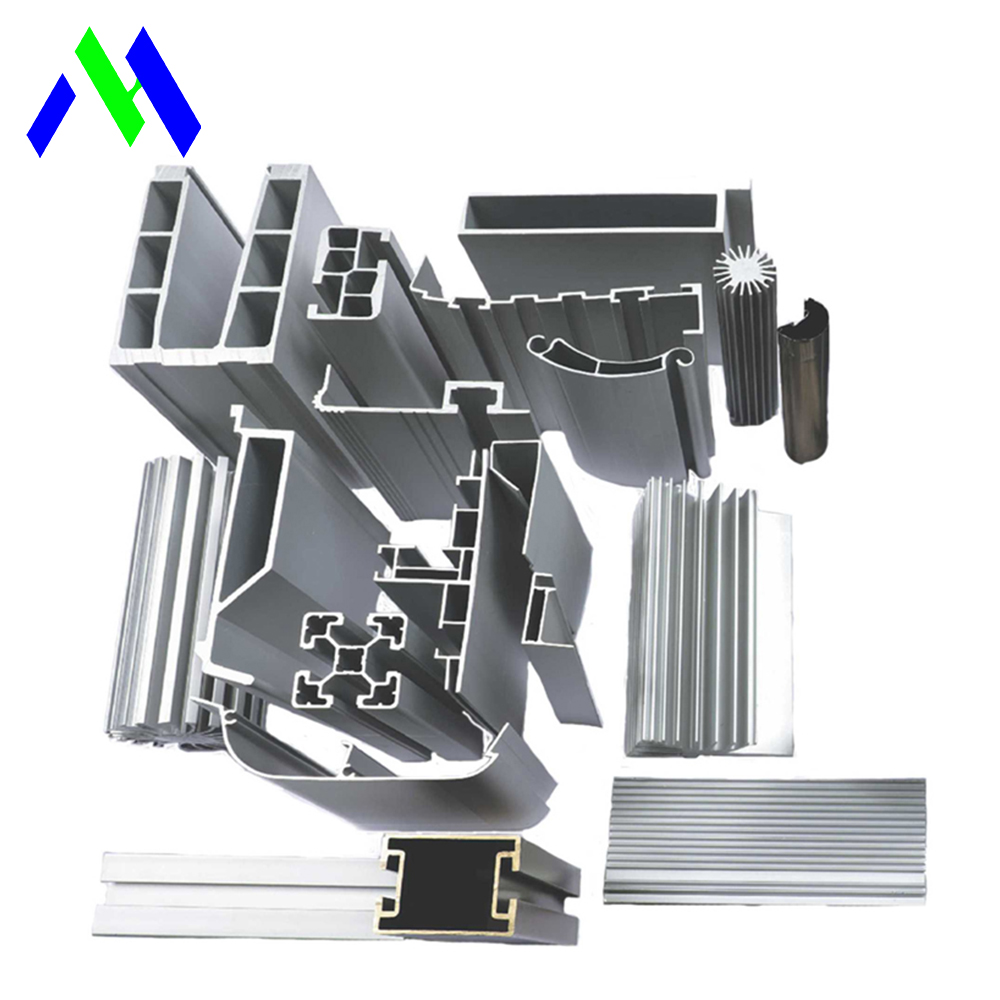
The system relies on a highly specific physical profile. The material consists of a solid extruded core, typically manufactured from high-yield 6063-T5 or 6061-T6 aluminum alloys. These specific alloys provide excellent tensile strength while remaining easy to machine. Running continuously down the outward-facing sides of this core are distinct T-shaped channels. These meticulously engineered grooves serve as mounting tracks. They capture and secure specialized fasteners without ever compromising the structural integrity of the bar.
The popular nickname derives from the famous Pareto Principle. The original innovators observed that eighty percent of a project's results often stem from twenty percent of the effort. By eliminating welding, grinding, and painting, builders achieve professional-grade structural results with a mere fraction of the traditional physical exertion.
The true engineering brilliance of this framing method lies entirely in its mechanical design. Rather than relying on permanent joints that lock a facility into a single configuration, the system utilizes dynamic, friction-based connections.
The fundamental operating principle is the continuous T-slot channel. Think about standard steel framing. It requires precise pre-drilling and tapping. If a tapped hole is off by a single millimeter, an entire structural beam might become scrap metal. By contrast, the T-slot allows specialized nuts and mating bolts to slide seamlessly into position anywhere along the length of the bar.
This creates an infinite positioning capability. Imagine needing to adjust a proximity sensor mount or a conveyor crossbar half an inch to accommodate a new piece of machinery. Instead of drilling new holes, the technician simply loosens a bolt, slides the assembly to the exact right spot, and retightens it. Once torqued to the correct specification, the nut locks aggressively against the inside lips of the aluminum channel. This creates a highly secure friction hold capable of withstanding heavy vibrations.
Traditional structural fabrication is notoriously labor-intensive. It demands certified welders, heavy lifting equipment, and exhaust hoods. Beyond that, the associated safety hazards often require dedicated hot-work zones on the factory floor, disrupting nearby production.
Conversely, assembling an aluminum extrusion frame requires little more than standard hex keys and a mallet. Fasteners are purposefully designed with a drop-in nature. Even if a machine frame is already fully assembled, you can insert a new T-nut directly into the slot without tearing the structure apart. This streamlined process dramatically reduces overhead costs. A single maintenance worker can assemble a complex safety enclosure in a matter of hours.
When planning a structural build, traditional fabricators often ask why they shouldn't just weld the frame out of mild steel. To make a truly informed engineering decision, one must look past the initial raw material cost and analyze the total cost of ownership.
If you look strictly at the price per linear foot, raw mild steel tubing is cheaper than extruded aluminum. However, this is a deeply flawed comparison. Steel requires a certified welder, expensive welding consumables, and post-assembly painting to prevent rust. When you factor in the high cost of skilled labor and the facility downtime required to finish a steel frame, modular aluminum almost always results in a significantly lower total project cost.
Welded steel is a permanent commitment. If a design flaw is discovered after assembly, the fix requires destructive cutting. Extruded aluminum remains entirely adjustable. Finally, extruded profiles are manufactured to incredibly tight straightness tolerances. Welding steel introduces massive amounts of heat, causing the metal to shrink and warp as it cools. Achieving a perfectly square, high-precision frame with welded steel requires expensive secondary machining.
Engineering Feature | T-Slot Aluminum Extrusion | Traditional Welded Steel |
|---|---|---|
Total Assembly Cost | Low — Minimal labor required | High — Requires skilled certified labor |
Future Modifiability | 100% Adjustable on the fly | Permanent — Requires destructive cutting |
Corrosion Resistance | Excellent — Factory anodized finish | Poor — Requires secondary painting or powder coating |
Precision & Tolerances | High — No thermal warping during assembly | Low — Prone to severe heat distortion |
Vibration Dampening | Good — Material absorbs high frequencies | Moderate — Tends to transfer resonance |
Selecting the correct profile is the most critical step in the mechanical design process. Buying a profile that is too small will result in a flimsy, vibrating frame. Over-engineering with a massive profile needlessly inflates your budget. To accommodate global engineering standards, the system is divided into fractional inch and metric measurements.
For modern automated facilities, metric profiles are the absolute standard. When sourcing customized aluminum extrusion products, you will typically encounter series designations based on their millimeter dimensions.
The 2020 series features a compact 20mm by 20mm profile. This lightweight option is excellent for global designs where space is at a premium, such as small electronics enclosures or lightweight sensor mounts. Moving up the scale, the 3030 series offers a great middle ground for medium-duty display racks and lab workstations.
For serious industrial applications, the 4040 series and its rectangular counterpart, the 4080 series, are the undisputed champions. These profiles often feature robust 8mm T-slots and thicker internal webbing. They are specifically engineered to handle heavy dynamic loads. Always calculate your expected load requirements before ordering. For long horizontal spans bearing heavy weights, opt for solid core profiles over hollow-core lite versions to prevent unwanted deflection.
The sheer versatility of this material allows it to cross over multiple industries, ranging from multi-million dollar automotive plants to specialized laboratory cleanrooms.
In factory settings, worker safety and process automation are paramount concerns. Engineers heavily rely on industrial aluminum extrusion systems to build custom machine guards that isolate operators from moving parts. It is the primary structural backbone for constructing conveyor frames, automated testing rigs, and structural beds for custom CNC machinery. Picture a custom CNC router bed. The frame must absorb high-frequency spindle vibrations while maintaining incredibly tight tolerances. Aluminum extrusion handles this perfectly.
Modern lean manufacturing principles require highly optimized, adaptable workspaces. T-slot aluminum is frequently used to build custom packing stations, height-adjustable workbenches, and mobile shadow boards. Because the system is completely modular, facility managers can easily attach monitor mounts, pneumatic tool balancers, and overhead lighting fixtures directly to the frame without ever picking up a power drill.
The aluminum bar itself is only one half of the equation. The specialized hardware and joining plates are the critical components that transform raw metal into functional machinery.
T-nuts act as the anchor points of the entire system. Slide-in T-nuts must be inserted from the open ends of the extrusion before assembly. I always recommend using these for primary load-bearing joints because they offer significantly higher pull-out resistance. Roll-in T-nuts can be inserted directly into the channel at any point. They are incredibly useful for retrofitting hardware onto a completed frame without taking the whole machine apart.
Creating strong, perfectly square corners is essential for frame rigidity. External cast corner brackets sit inside the corner angle and provide quick connections. Flat joining plates bolt to the outside faces of the extrusion, providing massive surface area contact for high-load joints. For dynamic setups, you can easily integrate heavy-duty hinges for safety doors, linear bearings for sliding mechanisms, and adjustable leveling feet for uneven factory floors.
Transitioning from a rough concept to a physical build requires a systematic engineering approach. Following these steps will ensure you order the correct parts and avoid assembly frustration on the shop floor.
Never start buying parts without a solid plan. Begin with a paper sketch to visualize the structure, then transition to CAD software. Calculating loads is your next priority. Carefully review the dynamic weight your structure will need to support. Always consult engineering deflection calculators to ensure the chosen framing series can handle the stress without bending.
When it comes to cutting the material, avoid the DIY route. A standard miter saw might cut aluminum, but a half-degree error on a crosscut will magnify into a massive gap across a two-meter frame. It is highly recommended to source factory-cut lengths directly from professional suppliers. Factory cuts guarantee precision tolerances and save you hours of messy fabrication work.
During assembly, organization is key. Lay out all extrusions and hardware on a large, flat surface. A crucial best practice is to loosely assemble the frame initially. Insert all bolts and brackets, but do not fully tighten them. Once the entire structure is squared up on a level surface using a machinist square, go back and securely torque down every fastener to its recommended specification.
Modular aluminum extrusion stands out as a highly versatile, cost-effective framing material. It provides a modern solution for building custom structural frames that traditional welded steel simply cannot match in terms of adaptability and deployment speed. This system is just as perfect for constructing simple ergonomic workbenches as it is for engineering complex automated assembly lines.
No matter the scale of your facility's endeavor, there is always a specific profile and hardware combination that fits your structural requirements perfectly. If you are ready to transition away from rigid, labor-intensive fabrication and reduce your maintenance downtime, it is time to upgrade your materials. Explore our comprehensive range of precise aluminum framing solutions and contact our engineering team today to optimize your next structural build.
Yes, you can cut it yourself using a standard miter saw equipped with a high-quality, non-ferrous metal cutting blade. However, factory cuts are highly recommended because they ensure perfect 90-degree precision. Absolute squareness is vital for the structural integrity and alignment of your final frame.
The load capacity depends heavily on the unsupported span length and the specific profile core type. Generally, a properly supported 4040 solid-core profile can easily hold hundreds of kilograms over short spans. For critical load-bearing applications, you should always consult an engineering deflection calculator to verify safety margins.
To join two extrusions end-to-end securely, engineers typically use straight joining plates bolted across the exterior slots, or internal end-to-end connectors. Internal connectors slide into the T-slots of both pieces and expand when tightened, providing a seamless, high-strength extension without interfering with the outer profile.
No, aluminum does not rust because it contains no iron. Furthermore, industrial extrusions are treated with an anodized finish—usually a clear or black electrochemical coating around 10 to 15 microns thick. This anodized layer makes the surface highly resistant to corrosion, scratching, and general environmental wear.
Not always. While many generic brands are cross-compatible, it is crucial to match the specific slot width and series. For instance, hardware designed for an 8mm slot will not seat properly in a 6mm slot, which can lead to severe joint failure under heavy industrial loads.
While the upfront raw material cost is higher than standard structural wood or raw steel tubing, the total cost of ownership is typically much lower. This is due to significantly reduced skilled labor costs, zero post-painting maintenance requirements, and the unique ability to disassemble and reuse the exact same materials indefinitely.